
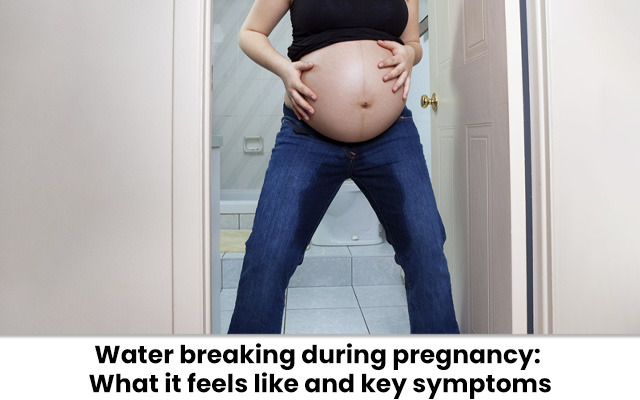
For many expectant mothers, water breaking during pregnancy is one of the most anticipated — and most misunderstood — moments of labour. Movies make it look dramatic: a sudden gush, a panicked dash to the hospital. In reality, water breaking during pregnancy can feel completely different from woman to woman, and it isn't always the clear-cut sign you expect.
So what does it actually feel like? How do you tell the difference between your water breaking and just a little bladder leakage? And what should you do the moment it happens?
This guide breaks down everything you need to know about water breaking during pregnancy — the signs, the sensations, the causes, and the exact steps to take next — so you feel prepared, not panicked, when the moment arrives.
What Are the Signs Your Water Is Going to Break?
Your water breaking is a key milestone in labour, but your body often gives you signals beforehand. Watch for:
- Increased pelvic pressure — As your baby settles lower into your pelvis, you may feel heavier pressure in your lower abdomen.
- Contractions — Mild, irregular contractions frequently begin before the water breaks, signalling your body is preparing for labour.
- Mucus discharge or light spotting — A thick, clear or blood-tinged discharge (often called the "show") can appear in the hours or days leading up to labour.
- Frequent urge to urinate — As the baby's head presses on your bladder, bathroom trips become more frequent.
None of these signs guarantee your water is about to break, but together, they're a good indication that labour is approaching.

What Does Water Breaking Actually Feel Like?
This is the part most expectant mothers want to know — and the sensation varies more than you might expect.
- A distinct "pop," followed by fluid. Some women describe hearing or feeling a soft pop, almost like a balloon bursting gently inside, immediately followed by a release of fluid.
- A sudden, warm gush. Others experience exactly what movies portray — a noticeable rush of warm fluid that's impossible to hold back, similar to the feeling of releasing a very full bladder.
- A slow, steady trickle. For many women, it's far less dramatic — just a persistent dampness or light leaking that continues over minutes or hours, especially if the baby's head is partly blocking the flow.
- Increased pelvic pressure or discomfort just before. Some women feel a build-up of pressure in the pelvis in the moments leading up to the rupture, followed by noticeable relief once the fluid releases.
There's no single "right" way for it to happen — and importantly, water breaking should not be painful. If you experience sharp pain along with fluid leakage, contact your gynaecologist immediately, as this could indicate a complication rather than a normal rupture.
How to Tell If Your Water Broke or You Just Peed Yourself
This is one of the most common points of confusion in late pregnancy, especially since bladder pressure from the baby can cause small leaks that feel similar. Here's how to tell them apart:
| Amniotic Fluid | Urine | |
| Amount | Large gush or continuous, uncontrollable trickle | Smaller amount, often stops if you try to hold it |
| Colour | Clear or pale yellow (watch for green/brown — see below) | Darker yellow |
| Smell | Odourless or mildly sweet | Stronger, ammonia-like odour |
| Control | You cannot stop or control the flow | You can usually control or pause it |
Important: pay attention to colour. While clear or pale-yellow fluid is normal, green or brown-tinged fluid can indicate the baby has passed meconium (their first stool) in the womb, and foul-smelling fluid can be a sign of infection. Either of these should be reported to your gynaecologist immediately, as they may require prompt medical attention.
If you're ever unsure whether it's amniotic fluid or urine, don't try to diagnose it yourself — contact your gynaecologist. Dr. Pallab Roy can help confirm what's happening and guide your next steps with a quick, simple assessment.
What Causes Water Breaking During Pregnancy?
Amniotic sac rupture can happen for several reasons, including:
- Premature Rupture of Membranes (PROM) — The sac ruptures before labour begins, typically after 37 weeks.
- Preterm Premature Rupture of Membranes (PPROM) — When the membranes rupture before 37 weeks. This is less common but requires immediate medical care, as it carries higher risks for both mother and baby and often needs hospital monitoring or early delivery planning.
- Infection — Conditions like chorioamnionitis can weaken the membranes, making rupture more likely.
- Multiple pregnancy — Carrying twins or multiples increases pressure on the amniotic sac.
- Naturally weaker membranes — Some women are simply more prone to earlier rupture due to membrane structure.
- Trauma or injury — A fall, accident, or direct impact to the abdomen can cause the sac to rupture.
- Medical procedures — Interventions like amniocentesis or cervical cerclage carry a small associated risk.
- Overdistension of the uterus — Excess amniotic fluid (polyhydramnios) or a larger-than-average baby can stretch the sac beyond its limit.

Why Amniotic Fluid Matters So Much for Your Baby
Amniotic fluid isn't just "water" — it plays several essential roles throughout pregnancy:
- Protection — It cushions your baby from external bumps and pressure.
- Temperature regulation — It keeps the womb at a stable, safe temperature.
- Movement and development — It gives your baby room to move, supporting healthy bone, joint, and muscle formation.
- Cord protection — It prevents the umbilical cord from being compressed, keeping oxygen and nutrient flow steady.
- Lung development — Your baby inhales and exhales small amounts of fluid, which helps mature the lungs before birth.
- Infection barrier — It acts as a protective buffer against outside infection.
This is exactly why any change in fluid colour, smell, or amount should never be ignored — it's a direct window into your baby's environment and wellbeing.
Does Your Baby Move Differently After Water Breaks?
It's completely normal to wonder how your baby will feel or move once the fluid cushioning them has reduced. Here's what to expect:
- Movement may feel different, not absent. With less fluid, movements can feel more contained or gentler rather than disappearing altogether.
- Some reduction is normal. As your baby adjusts to less space, occasional slowing in movement isn't unusual.
- A significant drop needs attention. If you notice a clear, sustained decrease in movement — or none at all — contact your gynaecologist right away rather than waiting to see if it changes. Reduced fetal movement after the water breaks should always be checked rather than assumed to be routine.
Trust your instincts here. You know your baby's normal patterns better than anyone, and any sudden change is worth a call to your doctor.
What to Do After Your Water Breaks

Once your water breaks, a few clear steps will help you handle the moment calmly and safely:
- Stay calm. A rush of adrenaline is normal, but a clear head will help you think through next steps.
- Note the time, colour, and amount of fluid. This information helps your doctor assess the situation quickly.
- Call your gynaecologist immediately. Contact Dr. Pallab Roy or your care provider to report that your water has broken — they'll advise whether to come in now or monitor at home for a short period.
- Track your contractions. If they begin or intensify, note how far apart they are — this helps determine how close you are to active labour.
- Head to the hospital when advised. Have your hospital bag ready in advance so you're not scrambling in the moment.
In most uncomplicated cases, there's no need to rush — but always follow your doctor's specific guidance, especially if the fluid isn't clear, has an unusual smell, or your baby's movements feel different.
Conclusion
Water breaking during pregnancy is a significant, deeply personal moment — and for every woman, it looks and feels a little different. Whether it's a dramatic gush or a quiet trickle, understanding the real signs and symptoms of water breaking helps you respond with confidence rather than panic.
If you're ever unsure whether your water has broken, notice unusual fluid colour or smell, or feel concerned about your baby's movements, don't wait — reach out to your gynaecologist right away.
If you are expecting or planning a pregnancy, Dr. Pallab Roy, one of the best gynaecologists in Kolkata, is here to guide you through every stage with expert, personalised care.
Book an appointment today for a consultation tailored to your pregnancy journey.