
Menstrual Disorder Treatment in Kolkata
Dr Pallab Roy identifies causes and recommends personalised menstrual treatment.
★ 5.0 Google Rating (1000+ Reviews)
2,000+ Surgeries Performed
10+ Years of Experience
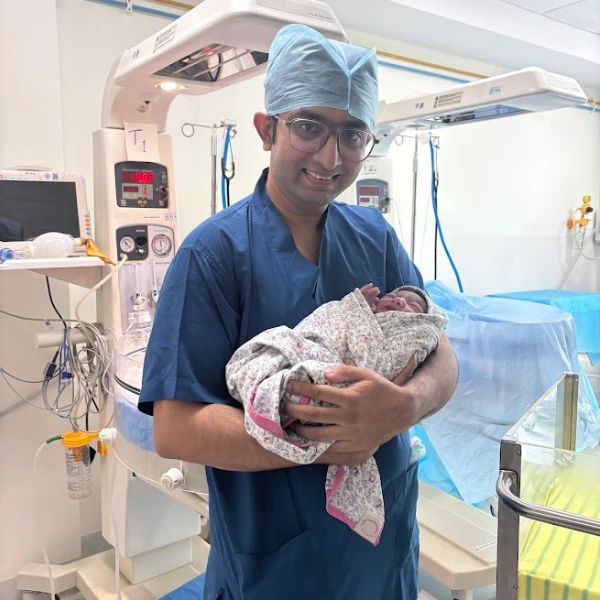
Menstrual disorder treatment helps diagnose and manage heavy, irregular, or painful periods, excessive bleeding, missed periods, and other menstrual abnormalities caused by hormonal imbalance, uterine conditions, or thyroid & prolactin issues.
Menstrual & Hormonal Disorder Treatment at a Glance
| Parameter | Details |
|---|---|
| Initial Consultation | Comprehensive menstrual history, physical examination, and personalised assessment. |
| Diagnostic Evaluation | Blood tests, pelvic ultrasound, hormonal investigations, and other tests based on symptoms. |
| Treatment Duration | Depends on the underlying diagnosis and response to treatment. |
| Treatment Options | Lifestyle changes, medications, hormonal therapy, minimally invasive procedures, or surgery when indicated. |
| Follow-up Care | Regular review to monitor symptom improvement and treatment response. |
| Insurance / Cashless Facility | Only at selected hospitals, as per policy approval. |
Patient Experiences

Abira Biswas
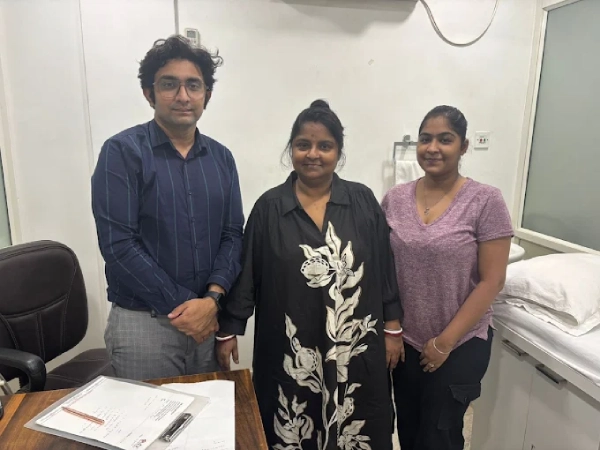
He's a good doctor, he always answers your call. He's like a god in the form of a doctor. He listened to my concerns and provided clear, reassuring explanations. One of the best gynecologists in Kolkata 🙂
Rishika Tewari
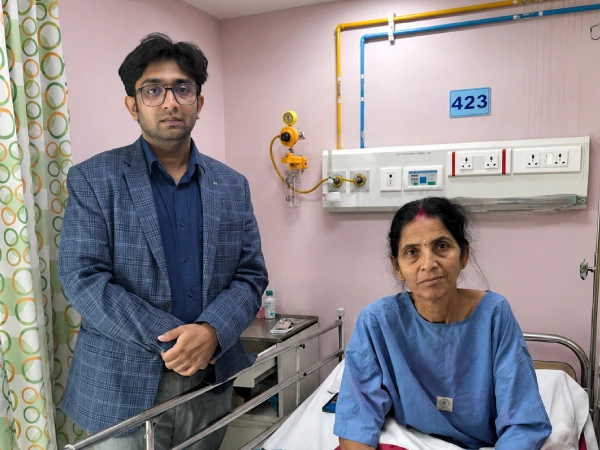
Dr. Pallab Roy performed my mother's total laparoscopic hysterectomy on 07/05/26. Great surgeon and the best doctor for laparoscopic hysterectomy.
Koyel Adhikary
Dr. Pallab Roy is very professional, caring, and attentive. The treatment was excellent, and the staff was friendly. Highly recommended.
Binita Baral
I had been struggling with a problem for a long time. After consulting Dr. Pallab Roy, I am completely healthy. Thank you, sir.







What Symptoms May Indicate the Need for Menstrual Disorder Treatment?
Your doctor recommends treatment if you experience
- Heavy/irregular/painful periods affecting daily activities
- Abnormal uterine bleeding between periods or after intercourse
- Severe dysmenorrhea that does not improve with routine medication
- Excessive menstrual bleeding (menorrhagia)
- Missed/absent periods linked to amenorrhea causes
- Persistent pelvic pain and pressure
- Hormonal imbalance causing acne, weight changes, or excess hair growth
- Menstrual irregularities with thyroid & prolactin issues

Why Choose Dr Pallab Roy for Menstrual Disorder Treatment?
- Comprehensive evaluation before starting treatment
- Experienced menstrual disorder specialist
- Personalised treatment for every patient
- Hormonal imbalance managed with evidence-based care
- Minimally invasive procedures when clinically indicated
- Complete care from diagnosis to follow-up
Schedule Your Consultation Today
Speak to Dr Pallab Roy to find out whether observation, medicines, or surgery is the right treatment option for your condition.
What Are the Treatment Options for Menstrual Disorders?
| Treatment Option | How It Helps | Suitable For |
|---|---|---|
| Lifestyle & Nutritional Management | Improves menstrual health through dietary changes, weight management, regular exercise, stress reduction, and healthy sleep habits. | Mild menstrual irregularities, PMS, and selected hormone-related conditions. |
| Hormonal Therapy | Regulates menstrual cycles, reduces heavy bleeding, and corrects hormone-related disturbances using oral contraceptives, progesterone therapy, hormonal IUDs, or condition-specific medicines. | Hormonal disorders, irregular periods, PCOS, thyroid disorders, and excessive menstrual bleeding. |
| Non-Hormonal Medication | Relieves menstrual pain and controls heavy bleeding without altering hormone levels using NSAIDs or tranexamic acid. | Dysmenorrhea, menorrhagia, and symptomatic menstrual disorders. |
| Minimally Invasive Procedures | Controls heavy bleeding or treats structural abnormalities through hysteroscopic polyp removal, endometrial ablation, or uterine artery embolisation (UAE). | Persistent abnormal uterine bleeding, uterine polyps, selected fibroids, and heavy menstrual bleeding. |
| Laparoscopic Surgery | Removes or treats underlying pelvic conditions while preserving healthy reproductive organs whenever possible. | Endometriosis, ovarian cysts, adenomyosis, fibroids, and other benign gynaecological conditions. |
| Hysterectomy | Removes the uterus when other treatments are ineffective or unsuitable and fertility preservation is no longer required. | Severe fibroids, adenomyosis, persistent abnormal uterine bleeding, or other selected uterine conditions. |
What Happens During Menstrual Disorder Treatment?

Before the Procedure
Your gynaecologist reviews your menstrual history, symptoms, and medical history, followed by a pelvic examination. Blood tests, pelvic ultrasound, or hormone evaluation may be advised to identify the underlying cause. If a procedure is planned, fasting, medication, and anaesthesia instructions are provided.
During the Procedure
Treatment depends on the diagnosis. Medicines may be prescribed or a hormonal IUD may be inserted during a clinic visit. When indicated, procedures such as D&C, endometrial ablation, laparoscopic surgery, myomectomy, or hysterectomy are performed under appropriate anaesthesia to control abnormal uterine bleeding or treat structural uterine conditions.
After the Procedure
Following a procedure or surgery, you are monitored until recovery from anaesthesia. Mild cramping, spotting, or watery discharge may occur depending on the treatment. Follow-up appointments help assess healing, review treatment response, monitor hormonal management, and identify any persistent or recurrent symptoms.
What Is the Recovery Timeline?
| Recovery Time | What to Expect |
|---|---|
| 1-2 Hours (Medication) | Pain-relieving medicines may provide quick symptom relief, while tranexamic acid can help reduce heavy menstrual bleeding during the same cycle when prescribed. |
| 3-6 Months (Hormonal Therapy) | Hormonal treatment may help regulate menstrual cycles over several months. Lifestyle changes may also support recovery when menstrual changes are linked to nutritional or hormonal factors. |
| 2-6 Weeks (Minimally Invasive Surgery) | Recovery after laparoscopic procedures for conditions such as fibroids or endometriosis is generally faster, with most women returning to normal activities within a few weeks, depending on the procedure performed. |
| 4-6 Weeks (Hysterectomy) | Recovery following a hysterectomy typically takes 4-6 weeks. During this period, adequate rest and regular follow-up are important for safe healing and recovery. |
Cost of Menstrual Disorder Treatment
Factors that may influence the overall cost include:
- Consultation and clinical assessment
- Blood tests, hormonal investigations, and pelvic ultrasound
- Complexity of the underlying condition
- Medicines or hormonal therapy prescribed
- Minimally invasive procedures or surgery, if required
- Follow-up consultations and ongoing monitoring
- Insurance or cashless approval, where applicable
What Are the Risks and Who Is Not a Suitable Candidate for Every Treatment Option?
Certain risks always remain when treating menstrual and hormonal disorders

Possible risks include:
- Dangerous systemic blood clot risks
- Temporary bone density loss
- Systemic clotting disorder dangers
- Impaired future pregnancy success
- Premature ovarian failure risks
- Irreversible fertility loss outcomes
- Inherent internal infection risks

You may not be a suitable candidate if you have:
- Active deep vein thrombosis history
- Severe undiagnosed vaginal bleeding issues
- Current pelvic inflammatory disease infections
- Desire for future biological pregnancy
- Known severe cardiovascular disease conditions
- Chronic kidney or liver impairment
- Hypersensitivity to specified hormonal medications
Frequently Asked Questions
Can changes in monthly cycles affect future fertility?
Not always. Many cycle changes are temporary. Future fertility depends on the underlying diagnosis, making early clinical assessment important before planning pregnancy or delaying reproductive decisions.
When should a woman seek medical advice for cycle changes?
Medical advice is recommended if cycles occur below 21 days, exceed 35 days, stop unexpectedly, or bleeding continues beyond seven days consistently.
Can emotional stress change monthly bleeding patterns?
Yes. Long-term stress may disrupt brain signals controlling ovulation, altering monthly bleeding patterns. Persistent or recurrent changes require professional assessment to exclude other medical causes.
Does every gynaecological condition require surgery?
No. Most women improve through medicines, observation, or lifestyle modification. Surgery is generally considered only when conservative options fail or specific clinical findings clearly indicate intervention.
Can menstrual concerns return after improving?
Yes. Some disorders recur because their original cause remains unchanged. Regular reviews help detect recurrence early, monitor progress, and modify management whenever clinically appropriate for better outcomes.
Can ignoring abnormal bleeding patterns cause complications?
Yes. Ongoing abnormal bleeding may indicate underlying reproductive or medical disorders. Early diagnosis reduces delays, identifies contributing factors, and supports timely management before symptoms become progressively severe.
How are women's reproductive concerns evaluated?
Evaluation usually includes symptom review, health history, physical examination, blood investigations, and pelvic ultrasound. Additional tests depend upon age, examination findings, and individual clinical requirements.
Can lifestyle habits influence reproductive wellbeing?
Yes. Healthy body weight, balanced nutrition, regular physical activity, sufficient sleep, and stress reduction support reproductive well-being, although persistent concerns still require professional medical evaluation.
Why should women track monthly bleeding dates?
Recording bleeding dates, duration, flow, and associated symptoms helps identify recurring patterns, improves clinical decision-making, and provides valuable information during gynaecological consultations and follow-up appointments.
Why are follow-up appointments important after diagnosis?
Follow-up visits monitor recovery, review investigation results, evaluate response to recommended care, identify new concerns early, and determine whether additional testing or management changes are necessary.