
Our Blogs

Normal vs. Abnormal Vaginal Discharge: When Should You See a Gynaecologist?
Changes in colour, texture, amount, or smell can be part of a healthy menstrual cycle, but some changes may indicate infection or another gynaecological problem. Knowing your...
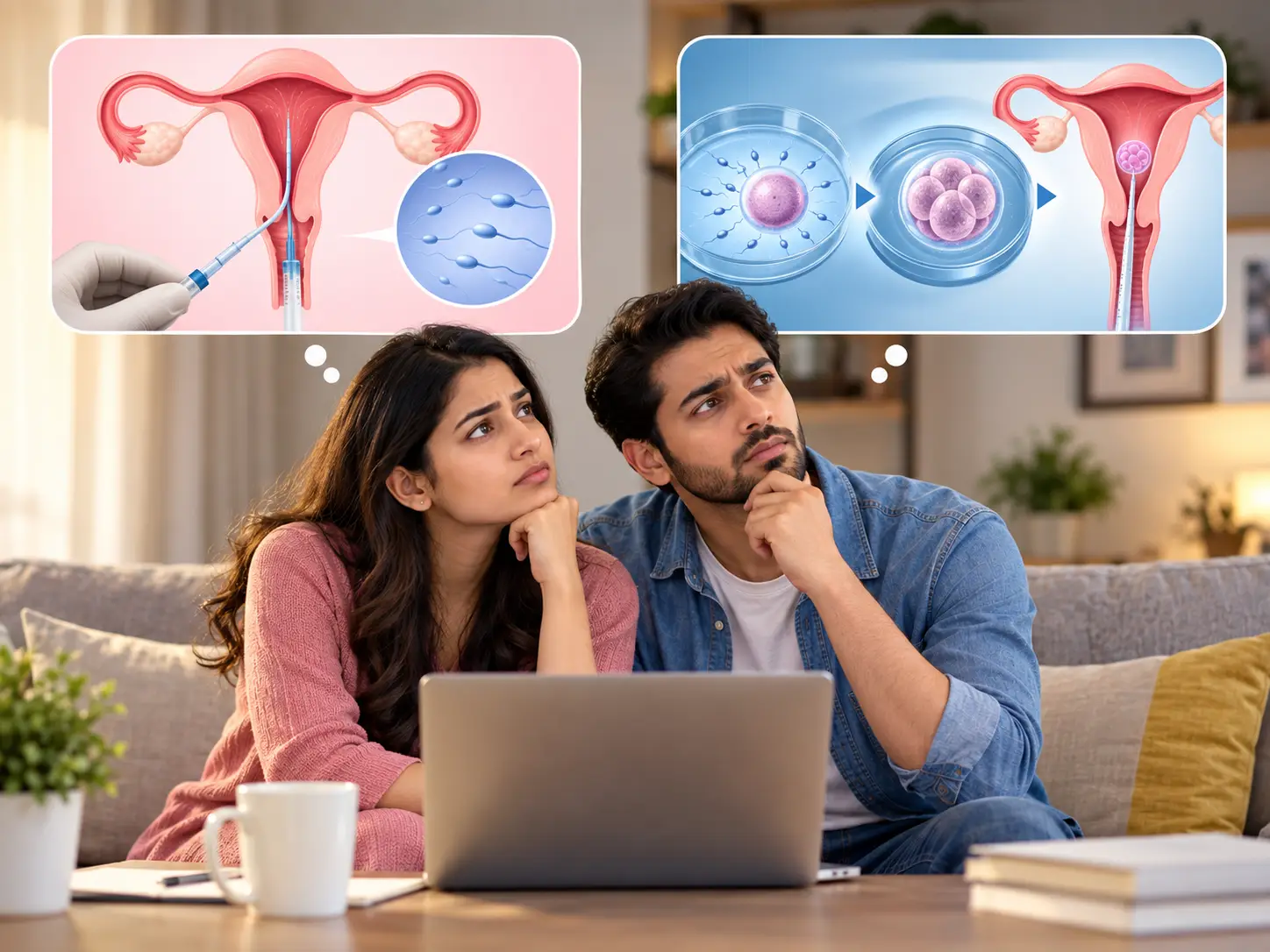
IVF vs IUI: Which Fertility Treatment Is Right for You?
Choosing a fertility treatment can feel confusing, especially when you are deciding between two commonly used options. IUI and IVF work differently, involve different procedures,...

Is 35 Really the Age Fertility Experts Want You to Focus On?
Age 35 is often seen as an important conception milestone, but it is not a sudden deadline. Generally, try for 12 months if under 35, seek help after 6 months between...

How Is Painless Delivery Different from a Regular Vaginal Delivery?
Labour pain is one of the biggest concerns for many expectant mothers. A painless delivery is not a separate birthing method. It generally means a vaginal birth in which pain...

Unexplained Infertility: What Normal Tests Don’t Show
Many couples receive reassuring fertility reports, yet still struggle to conceive. While routine tests identify many common problems, they cannot detect every condition affecting...

High-Risk Pregnancy: What Your Obstetrician Actually Monitors Weekly
Being told you have a high-risk pregnancy can feel overwhelming, but it simply means your pregnancy needs closer observation to keep you and your baby healthy. A...