
Ovarian Cyst Treatment in Kolkata
Dr Pallab Roy offers personalised evaluation and advanced treatment to recommend the most appropriate approach for your condition.
★ 5.0 Google Rating (1000+ Reviews)
2,000+ Surgeries Performed
10+ Years of Experience

Ovarian cyst treatment aims to relieve symptoms, preserve ovarian function whenever possible, and reduce the risk of complications. While many cysts resolve naturally, some require medicines, regular monitoring, or minimally invasive removal surgery depending on their size, type, and symptoms.
Ovarian Cyst Treatment at a Glance
| Parameter | Details |
|---|---|
| Procedure Duration | Approximately 45 minutes to 2 hours (depending on the size and complexity of the cyst) |
| Anaesthesia Type | General anaesthesia |
| Hospital Stay | Usually same day or 1 day |
| Recovery Time | Most patients resume routine activities within 1-2 weeks after minimally invasive surgery |
| Stitches / Scars | Small keyhole incisions with minimal scarring |
| Insurance / Cashless Facility | Available at selected network hospitals (subject to policy approval) |
Patient Experiences

Abira Biswas
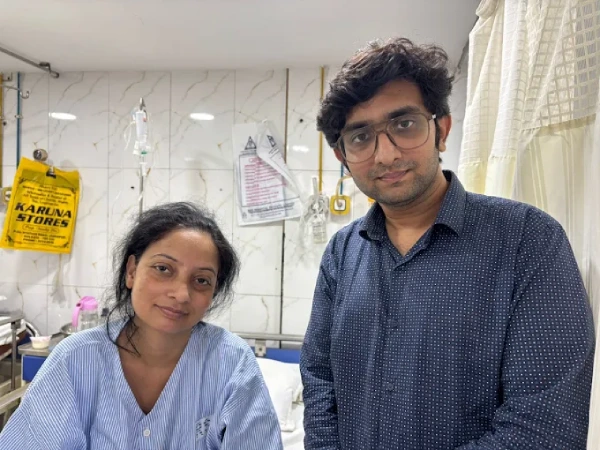
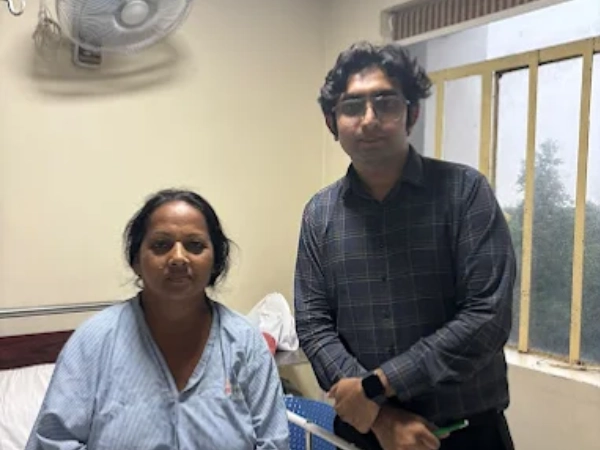
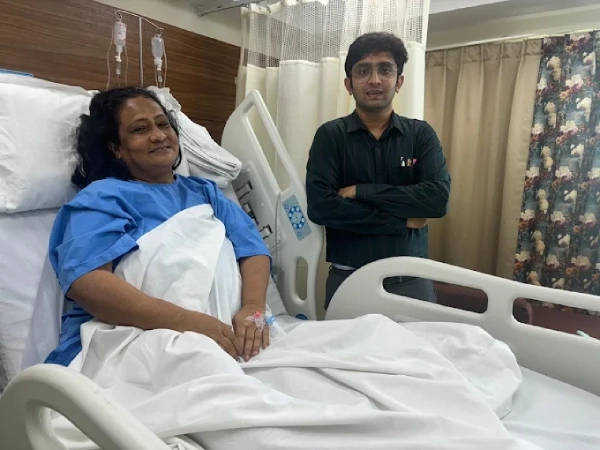
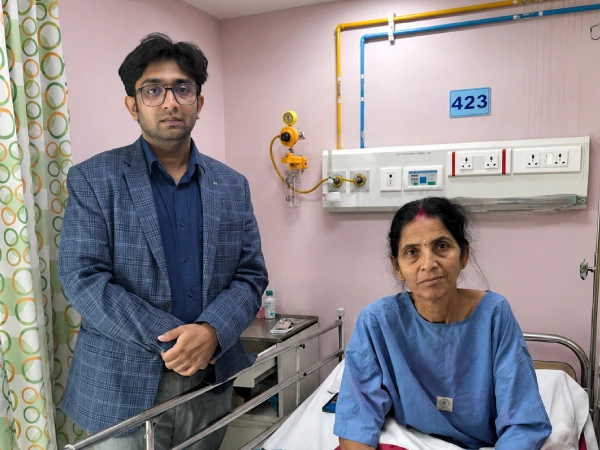
He's a good doctor, he always answers your call. He's like a god in the form of a doctor. He listened to my concerns and provided clear, reassuring explanations. One of the best gynecologists in Kolkata 🙂
Rishika Tewari
Dr. Pallab Roy performed my mother's total laparoscopic hysterectomy on 07/05/26. Great surgeon and the best doctor for laparoscopic hysterectomy.
Koyel Adhikary
Dr. Pallab Roy is very professional, caring, and attentive. The treatment was excellent, and the staff was friendly. Highly recommended.
Binita Baral
I had been struggling with a problem for a long time. After consulting Dr. Pallab Roy, I am completely healthy. Thank you, sir.








What Symptoms May Indicate the Need for Ovarian Cyst Treatment?
Your specialist may recommend the procedure if you experience
- Persistent pelvic pain or lower abdominal pain
- Pain during sexual intercourse
- Bloating or a feeling of abdominal fullness
- Irregular or painful menstrual periods
- Frequent urge to urinate due to pressure on the bladder
- Sudden severe pelvic pain caused by cyst rupture or ovarian torsion
- Large, persistent, or suspicious cysts detected on ultrasound

Why Choose Dr Pallab Roy as a Surgeon?
- Thorough evaluation before recommending treatment
- Expertise in managing simple and complex ovarian cysts
- Personalised treatment based on your condition and future fertility goals
- Specialising in advanced minimally invasive and robotic surgical techniques
- Complete care from consultation to recovery
Schedule Your Consultation Today
Speak to Dr Pallab Roy to find out whether observation, medicines, or surgery is the right treatment option for your condition.
What Are the Treatment Options for Ovarian Cysts?
| Treatment Option | How It Is Performed | Suitable For |
|---|---|---|
| Observation & Follow-up | Regular clinical assessment and ultrasound monitoring are used to track the cyst over time without immediate surgery. | Small functional ovarian cysts that are likely to resolve naturally and do not cause significant symptoms. |
| Laparoscopic Ovarian Cystectomy | The cyst is removed through tiny abdominal incisions using a laparoscope and specialised instruments while preserving the healthy ovary whenever possible. It is commonly performed for many benign cysts, including selected cysts (dermoid, chocolate, and serous), depending on clinical assessment. | Most benign ovarian cysts require surgical removal. |
| Laparotomy | The cyst is removed through a larger abdominal incision, allowing better access when minimally invasive surgery is not appropriate. | Very large ovarian cysts or cysts where ovarian cancer is suspected. |
| Oophorectomy | Part or all of the affected ovary is surgically removed when preserving the ovary is not considered safe or feasible. | Complex or cancerous cysts, or severe ovarian torsion causing irreversible damage. |
What Happens During Ovarian Cyst Treatment?

Before the Procedure
Your gynaecologist reviews your symptoms, medical history, and imaging findings to assess the cyst. Blood tests and pre-anaesthetic evaluation are completed, medication adjustments are discussed, and fasting instructions are provided before the planned procedure.
During the Procedure
The operation is performed under general anaesthesia. Based on the size and nature of the growth, your surgeon may perform laparoscopic surgery or an open abdominal procedure. The cyst is removed carefully, preserved tissue is examined, and the incision is securely closed.
After the Procedure
You are observed in the recovery area until stable before discharge. Healing depends on the surgical approach, with minimally invasive procedures generally allowing a faster recovery. A follow-up visit monitors healing, reviews laboratory findings, and provides advice on returning to normal activities.
What Is the Recovery Timeline?
| Time After Surgery | What You Can Expect |
|---|---|
| First 24 Hours | Walking is usually encouraged, and pain is managed with medication. |
| 1-2 Weeks | Most patients gradually return to light household activities while avoiding strenuous exercise and heavy lifting. |
| 2-4 Weeks | Many patients resume office work and most routine daily activities, depending on their recovery progress. |
| 4-6 Weeks | Internal healing continues, and your doctor may advise resuming exercise and other activities after review. |
| Follow-up Visits | Scheduled appointments help monitor healing and ensure a safe recovery. |
Cost of Ovarian Cyst Treatment
The overall cost may depend on factors such as:
- Type of treatment recommended
- Size and complexity of the ovarian cyst
- Hospital and operating theatre charges
- Diagnostic investigations before treatment
- Anaesthesia and surgical consumables
- Duration of hospital stay
- Insurance or cashless approval, where applicable
What Are the Risks and Who Is Not a Suitable Candidate?
Like all medical and surgical treatments, ovarian cyst treatment carries some risks depending on the recommended approach.

Possible risks include:
- Pelvic or surgical wound infection
- Internal bleeding requiring further treatment
- Bladder or bowel injury
- Pelvic adhesions causing chronic pelvic pain
- Reduced fertility after ovarian removal
- Early menopause if both ovaries removed
- Cyst rupture with malignant cell spillage

You may not be a suitable candidate if you have:
- Small, symptom-free functional ovarian cysts
- Uncontrolled heart, lung, or bleeding disorders
- Extensive pelvic adhesions from previous surgeries
- Suspected ovarian cancer requiring open surgery
- Exceptionally large ovarian cysts
Frequently Asked Questions
Can an ovarian cyst become cancerous?
Most ovarian cysts are non-cancerous. However, certain complex or persistent cysts require further evaluation. Your gynaecologist may recommend imaging, blood tests, or surgery to rule out ovarian cancer safely.
Will every ovarian cyst need surgery?
No. Many functional ovarian cysts disappear naturally without treatment. Surgery is usually recommended only when the cyst is large, persistent, painful, complex, or causing complications like torsion or rupture.
Can an ovarian cyst burst if left untreated?
Yes. Some ovarian cysts can rupture unexpectedly, causing sudden severe pelvic pain and internal bleeding. Seek immediate medical attention if severe pain, dizziness, fainting, or heavy bleeding occurs suddenly.
Will ovarian cyst treatment affect future pregnancy?
Most ovarian cyst surgeries aim to preserve healthy ovarian tissue whenever possible. Fertility is usually maintained, although treatment depends on the cyst type, size, and underlying ovarian condition.
Is laparoscopic ovarian cyst surgery safe?
Laparoscopic ovarian cyst surgery is considered a safe and commonly performed procedure for suitable patients. It usually involves smaller incisions, less pain, faster recovery, and minimal visible scarring.
How is an ovarian cyst diagnosed before treatment?
Diagnosis usually involves reviewing your symptoms, performing a pelvic examination, conducting an ultrasound scan, and sometimes ordering blood tests to determine the cyst's size, type, and appropriate treatment.
How long does recovery take after ovarian cyst surgery?
Most women resume routine daily activities within one to two weeks after laparoscopic surgery. Recovery following open surgery generally takes longer, depending on the procedure and individual healing progress.
Who is a suitable candidate for ovarian cyst treatment?
Women with persistent, painful, large, complex, or suspicious ovarian cysts may benefit from treatment. Your gynaecologist recommends observation, medicines, or surgery based on your clinical evaluation.
When should someone consult a doctor for an ovarian cyst?
Consult your gynaecologist if pelvic pain persists, abdominal bloating worsens, periods become irregular, or an ultrasound detects a persistent ovarian cyst requiring further assessment or treatment planning.
Can an ovarian cyst return after treatment?
Yes. New ovarian cysts may develop even after successful treatment because surgery removes the existing cyst, not the tendency to form future cysts. Regular follow-up helps monitor recurrence.