
Menopause Treatment in Kolkata
Dr Pallab Roy provides personalised care to help women manage this transition safely while considering long-term bone & heart health and overall quality of life.
★ 5.0 Google Rating (1000+ Reviews)
2,000+ Surgeries Performed
10+ Years of Experience
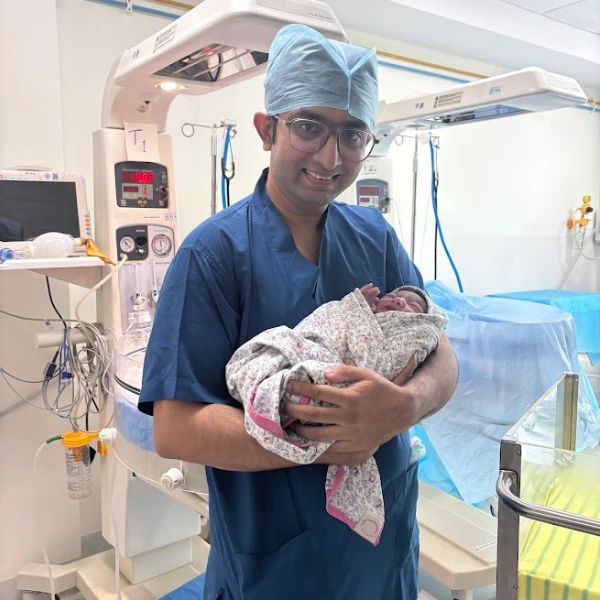
Menopause symptoms such as hot flushes, sleep disturbances, mood changes, vaginal dryness, menstrual changes, and other period problems can affect daily wellbeing. Targeted treatment focuses on identifying your symptoms, overall health, and personal concerns.
Menopause Treatment at a Glance
| Parameter | Details |
|---|---|
| Procedure Duration | Not applicable. Menopause management consists of a 30 to 45-minute clinical consultation rather than a surgical procedure. |
| Anaesthesia Type | Not applicable. No surgical interventions or numbing agents are required for this standard medical evaluation. |
| Hospital Stay | Not required. This is conducted entirely as an outpatient consultation, allowing patients to leave immediately afterwards. |
| Recovery Time | None. Patients can resume their normal routine immediately, although prescribed medical treatment may take 1 to 2 weeks to begin providing relief. |
| Stitches / Scars | None. No incisions or surgical techniques are used during standard menopausal symptom management. |
| Insurance / Cashless Facility | Available as per the hospital’s policy for diagnostic consultations and standard outpatient gynaecological care. |
Patient Experiences

Abira Biswas
He's a good doctor, he always answers your call. He's like a god in the form of a doctor. He listened to my concerns and provided clear, reassuring explanations. One of the best gynecologists in Kolkata 🙂
Rishika Tewari
Dr. Pallab Roy performed my mother's total laparoscopic hysterectomy on 07/05/26. Great surgeon and the best doctor for laparoscopic hysterectomy.
Koyel Adhikary
Dr. Pallab Roy is very professional, caring, and attentive. The treatment was excellent, and the staff was friendly. Highly recommended.
Binita Baral
I had been struggling with a problem for a long time. After consulting Dr. Pallab Roy, I am completely healthy. Thank you, sir.







What Symptoms May Indicate the Need for Menopause Treatment?
Treatment may be beneficial if you experience:
- Frequent hot flushes or night sweats
- Irregular menstrual cycles during transition
- Persistent sleep disturbances or fatigue
- Mood swings, anxiety, or irritability
- Vaginal dryness and daily discomfort
- Reduced sexual wellbeing from hormones
- Recurrent urinary discomfort or pain
- Perimenopause symptoms disrupting quality of life

Why Choose Dr Pallab Roy for Menopause Care?
- Precise evaluation before choosing menopause management plan
- Personalised care based on symptoms and health
- Evidence-based lifestyle guidance and medical options
- Detailed HRT discussion, including risks and benefits
- Regular follow-up for long-term menopause management
Schedule Your Consultation Today
Speak to Dr Pallab Roy to find out whether observation, medicines, or surgery is the right treatment option for your condition.
What Are the Treatment Options for Menopause?
| Treatment Option | How It Helps | Suitable For |
|---|---|---|
| Lifestyle Modification | Diet, exercise, sleep improvement, stress reduction, and weight management. | Women with mild or early symptoms. |
| Non-Hormonal Medicines | Helps manage selected menopausal symptoms when clinically appropriate. | Women who cannot or prefer to avoid hormonal medicines. |
| Hormone Replacement Therapy (HRT) | Systemic hormone therapy helps treat severe hot flashes and prevent bone loss or osteoporosis. Low-dose vaginal estrogen helps manage vaginal dryness and painful intercourse. Women with a uterus require progestogen alongside estrogen. | Women with moderate to severe symptoms after clinical assessment. |
| Bone Health Monitoring | Assessment and preventive strategies to maintain healthy bones after menopause. | Women at increased risk of reduced bone strength. |
What Happens During Menopause Treatment?

Before the Procedure
Your doctor will review your symptoms, menstrual changes, personal and family medical history, including any significant gynaecological concerns from adolescence or puberty, if relevant. Blood pressure checks, pelvic examination, mammography, and other investigations may be recommended. Your doctor will also review your hysterectomy status, current medicines, supplements, and previous medical records before discussing suitable treatment options, including hormone replacement therapy.
During the Procedure
Your doctor will review your symptoms, menstrual and reproductive history, including any previous gynaecological disorders during the teenage years that may be relevant to your current health. If hormone replacement therapy is appropriate, you will receive guidance on the selected formulation, such as patches, gels, or oral medicines, along with dosage instructions, application techniques where applicable, expected treatment response, and possible temporary side effects.
After the Procedure
You will receive an individualised menopause management plan based on your symptoms and health needs. Follow-up visits help monitor treatment response, adjust medicines if required, and review long-term bone and cardiovascular health, ensuring treatment remains safe and effective over time.
What Is the Recovery Timeline?
| Recovery Time | What You Can Expect |
|---|---|
| First Few Weeks | Sleep quality improves. Early side effects like breast tenderness or mild nausea begin to settle. |
| 1 to 4 Weeks | Hot flashes become less frequent and less intense with non-hormonal medicines. Mild side effects usually resolve. |
| 8 to 12 Weeks | Hot flashes and night sweats improve significantly. Vaginal dryness and tissue health show maximum improvement with local treatments. |
| 12+ Weeks | Joint pain, brain fog, mood, sexual health, and vaginal elasticity continue to improve with systemic hormone therapy. |
| 3 to 6 Months | Mood, weight management, and bone health improve with consistent diet, exercise, and lifestyle changes. |
Cost of Menopause Treatment
The overall cost may depend on factors such as:
- Consultation and clinical evaluation
- Diagnostic investigations, if required
- Medicines recommended as part of care
- Medicines or hormonal therapy prescribed
- Follow-up appointments
- Individual management plan
- Additional procedures or referrals, when clinically indicated
What Are the Risks and Who Is Not a Suitable Candidate?
Every treatment has potential risks, and menopause management is no exception.

Possible risks include:
- Blood clots from systemic hormones
- Ischemic stroke from oral pills
- Invasive breast cancer with combination
- Uterine cancer from estrogen alone
- Gallbladder disease and gallstone formation
- Temporary bloating and breast tenderness
- Irregular bleeding in initial months

You may not be a suitable candidate if you have:
- Unexplained vaginal bleeding needing evaluation
- Breast, ovarian, or endometrial cancer
- History of blood clots or strokes
- Active liver disease or impairment
- Previous heart disease or angina
Frequently Asked Questions
Can menopause begin before the age of 45?
Yes. Some women experience menopause earlier because of genetics, surgery, certain medical conditions, or specific treatments. A clinical evaluation helps identify the underlying cause and guide appropriate care.
Is bleeding after menopause ever considered normal?
No. Any vaginal bleeding after menopause should always be evaluated. Early medical assessment helps identify the cause, rule out serious conditions, and determine whether further investigations are needed.
Can menopause increase the risk of urinary infections?
Yes. Hormonal changes may affect the urinary tract, increasing the likelihood of recurrent infections, urgency, burning, or discomfort. Appropriate treatment can help improve urinary health and quality of life.
Why do some women gain weight more easily during menopause?
Hormonal changes, slower metabolism, reduced muscle mass, disturbed sleep, and lifestyle factors can contribute to weight gain. Healthy eating and regular physical activity support better long-term weight management.
Can memory problems and brain fog improve?
Yes. Many women notice better concentration and mental clarity after symptoms are effectively managed. Good sleep, regular exercise, and healthy lifestyle habits also support cognitive wellbeing.
What should be brought to the first appointment?
Bring previous medical records, investigation reports, a list of current medicines, and details about your symptoms and menstrual history. This information helps your doctor make an informed assessment.
How is menopause confirmed?
Diagnosis is usually based on your age, menstrual history, and symptoms. Blood tests are recommended only in selected situations when another condition needs to be excluded.
Can treatment be changed if the first option does not work?
Yes. Your doctor may adjust medicines or recommend another approach depending on symptom relief, side effects, changing health needs, and your response to treatment.
Is long-term follow-up necessary?
Regular follow-up appointments help monitor your progress, review symptom control, assess ongoing health, and make timely changes to your care plan whenever required.
Who may need additional evaluation before starting treatment?
Women with unexplained vaginal bleeding, previous blood clots, certain cancers, liver disease, or significant medical conditions may require additional evaluation before treatment is recommended.