
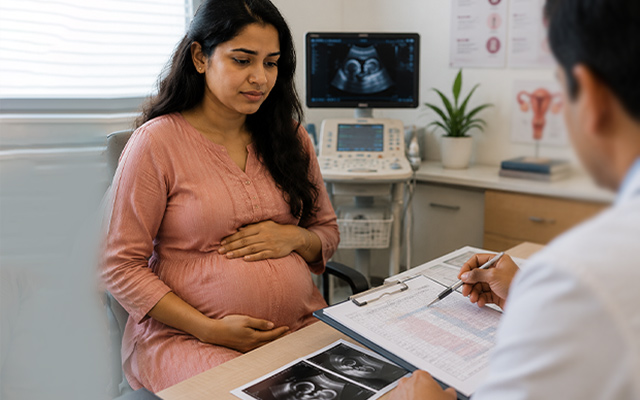
Being told you have a high-risk pregnancy can feel overwhelming, but it simply means your pregnancy needs closer observation to keep you and your baby healthy.
A gynaecology doctor follows a structured checklist to detect potential concerns early, especially when signs or existing medical conditions warrant closer monitoring.
Understanding what your obstetrician checks week by week can help you feel informed rather than anxious. From blood tests and ultrasound scans to fetal growth assessments and delivery planning, each visit has a specific purpose in supporting a safer pregnancy.
What Makes a Pregnancy “High-Risk” in the First Place?

A pregnancy is considered high-risk when maternal, fetal, or pregnancy-related factors increase the likelihood of complications, requiring closer medical supervision.
Early identification allows doctors to personalise care, monitor potential problems proactively, and improve outcomes for both mother and baby through timely intervention and regular follow-up.
You are at risk if you
- Are younger than 18 or older than 35
- Have a high body mass index (BMI)
- Have chronic hypertension
- Have diabetes before or during pregnancy
- Are expecting twins or multiple babies
- Have experienced recurrent miscarriage
- Have had a previous stillbirth or preterm birth
- Have placenta-related complications
- Have an autoimmune disease or kidney disorder
- Have had a previous caesarean section with significant uterine surgery
- Have certain fetal abnormalities detected during pregnancy
Being classified as high-risk does not mean complications are inevitable. It simply ensures you receive closer monitoring and appropriate care throughout pregnancy.
How Often Will I See My Obstetrician During a High-Risk Pregnancy?
You can expect to see your obstetrician every 1 to 2 weeks, and sometimes multiple times a week.
Comprehensive antenatal care throughout your pregnancy ensures your health, your baby's growth, and any developing complications are closely monitored, allowing timely intervention whenever needed.
If you're wondering how often you should see a doctor, the answer depends on your individual condition and pregnancy progress.
Most women follow a schedule similar to:
- Weeks 4-28: Every 2-4 weeks
- Weeks 28-32: Every 2 weeks
- After 32 weeks: Weekly or twice-weekly visits if needed
- Additional appointments whenever symptoms or test results require closer review
During each visit, your obstetrician assesses blood pressure, weight, baby's growth, fetal heartbeat, urine findings, and any new symptoms. Some pregnancies, such as severe hypertension, gestational diabetes, or twins, may require even more frequent assessments.
What Does Your Doctor Monitor in the First Trimester (Weeks 1-13)?
The first trimester establishes the foundation for a healthy pregnancy. Your obstetrician confirms the pregnancy, accurately determines gestational age, screens for maternal health conditions, and identifies early risks that may influence monitoring and treatment throughout the remaining months.
Blood Type, Rh Factor, CBC, Thyroid, Infectious Disease Screening
The initial evaluation includes several blood tests to help identify conditions that require early treatment or closer surveillance.
These commonly include:
- Blood group and Rh factor
- Complete blood count (CBC)
- Thyroid function tests
- Blood sugar assessment when indicated
- HIV, Hepatitis B, Hepatitis C and syphilis screening
- Urine examination for infection or protein
- Rubella immunity assessment where appropriate
These investigations establish a baseline of maternal health and help your doctor plan your pregnancy care from the beginning.
Early Ultrasound and Dating Scan
An early ultrasound confirms:
- Pregnancy location
- Number of babies
- Accurate gestational age
- Fetal heartbeat
- Expected due date
Dating scans also help identify ectopic pregnancy, early pregnancy loss, or structural concerns that may require specialist follow-up later in pregnancy.
What Changes in Second-Trimester Monitoring (Weeks 14-27)?
The second trimester focuses on detecting conditions that may affect maternal or fetal health while closely tracking the baby's growth and organ development. Screening tests, detailed ultrasounds, and routine maternal assessments help identify complications early enough for timely intervention.
Glucose Tolerance Test (Gestational Diabetes Screening)
During this stage, your doctor may repeat selected blood tests alongside a glucose tolerance test to check for gestational diabetes, particularly if you have obesity, a family history of diabetes, or previous pregnancy complications.
Early diagnosis allows dietary changes, blood sugar monitoring, medication when necessary, and reduces the risk of excessive fetal growth and delivery complications.
Anatomy Scan and Growth Tracking
A detailed anomaly scan, usually performed between 18 and 22 weeks, is an important part of the antenatal care schedule.
- Baby's brain, heart, kidneys and spine
- Limb development
- Placental position
- Amniotic fluid volume
- Cervical length when indicated
These findings help identify structural abnormalities and establish a baseline for future growth assessments.
Blood Pressure and Preeclampsia Risk Markers
Every prenatal visit includes blood pressure measurement and urine testing to detect early signs of preeclampsia.
Your obstetrician may also assess:
- Sudden weight gain
- Swelling of the hands or face
- Persistent headaches
- Visual disturbances
- Protein in urine
Prompt recognition helps reduce serious maternal and fetal complications.
Why Does Monitoring Intensify in the Third Trimester (Weeks 28-40)?
The final trimester requires closer surveillance because complications can develop rapidly as delivery approaches. High-risk pregnancy tests week by week allow obstetricians to monitor fetal well-being, placental function, and maternal health while developing a safe and personalised delivery plan based on the needs of both mother and baby.
Non-Stress Tests (NST)
A non-stress test pregnancy assessment measures your baby's heart rate in response to normal movements without placing stress on the fetus.
It is commonly recommended for:
- Reduced fetal movements
- Diabetes
- Hypertension
- Post-term pregnancy
- Growth restriction
- Twin pregnancy
A reassuring NST indicates good fetal oxygenation, while abnormal findings may require additional evaluation.
Weekly Growth Scans for Conditions Like Twins or Restricted Growth
Women with twins, placental disorders, or babies with restricted growth often undergo additional ultrasounds.
These scans monitor:
- Estimated fetal weight
- Growth pattern
- Blood flow through the placenta
- Amniotic fluid levels
- Fetal position
Regular imaging helps identify babies who may benefit from earlier delivery.
Delivery Timing Decisions
As pregnancy progresses, your obstetrician balances the benefits of continuing the pregnancy against potential risks.
Factors influencing delivery timing include:
- Blood pressure control
- Diabetes management
- Fetal growth
- Placental function
- Baby's wellbeing
- Labour readiness
Careful third-trimester high-risk pregnancy monitoring helps determine whether spontaneous labour, induction, or caesarean delivery offers the safest outcome.
What At-Home Monitoring Might Your Doctor Ask You to Do?
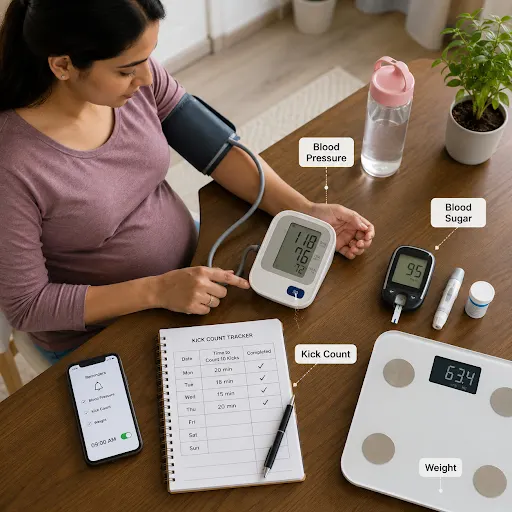
Home monitoring complements regular hospital visits by helping detect changes between appointments. Recording important health measurements and recognising new symptoms enables earlier communication with your obstetrician if concerns arise.
Your doctor may recommend:
- Daily blood pressure monitoring
- Blood sugar logs for diabetes
- Baby kick counts
- Weight tracking where appropriate
- Medication adherence records
- Monitoring swelling or new symptoms
Keeping accurate records helps your doctor make informed treatment decisions throughout pregnancy.
What Symptoms Should You Report to Your Obstetrician Immediately?
Certain symptoms require urgent medical assessment because they may indicate pregnancy complications. Recognising these warning signs early allows prompt treatment that can protect both mother and baby.
These signs of high-risk pregnancy becoming more serious need immediate medical attention:
- Vaginal bleeding
- Severe abdominal pain
- Persistent severe headache
- Blurred vision or flashing lights
- Reduced or absent fetal movements
- Sudden swelling of the face or hands
- Fluid leaking from the vagina
- High fever
- Persistent vomiting
- Shortness of breath or chest pain
Never wait until your next appointment if any of these symptoms occur.
How Can You Prepare for Each High-Risk Prenatal Visit?
Preparing before every appointment helps your obstetrician identify changes quickly and use consultation time efficiently. Bringing organised health information also ensures important concerns are not overlooked during your pregnancy review.
Keep this checklist ready before every visit:
- List any new symptoms
- Record blood pressure readings
- Bring blood sugar logs if applicable
- Note baby's movement patterns
- Carry previous reports and prescriptions
- Prepare questions about medications or symptoms
- Inform your doctor about emergency hospital visits since your last appointment
Being well prepared allows more personalised and efficient care.
Remember: A high-risk pregnancy doesn’t mean you cannot have a healthy baby

With timely monitoring, personalised care, and regular follow-ups, many pregnancies progress safely.
If you need expert guidance, book a consultation with Dr Pallab Roy, a high-risk pregnancy doctor in Kolkata, or download our printable checklist to stay organised and prepared for every prenatal visit.
People Also Ask
How many ultrasounds do you get in a high-risk pregnancy?
Most high-risk pregnancies require 4-8 ultrasounds, although frequency depends on maternal conditions, fetal growth concerns, twins, and clinical findings.
What is a non-stress test and why is it done?
A non-stress test monitors your baby's heart rate during movement to assess their well-being and identify babies who need closer evaluation.
Can a high-risk pregnancy become normal again?
Some temporary conditions improve with treatment, but pregnancies labelled high-risk usually continue receiving enhanced monitoring until delivery for safety.
How early can high-risk pregnancy be detected?
Some risk factors are identified before conception, while others become apparent during the first prenatal visit or early pregnancy scans.
Is bed rest still recommended for high-risk pregnancies?
Routine bed rest is generally not recommended because evidence shows limited benefit and increased risks, such as blood clots and muscle loss.
What blood tests are done monthly in high-risk pregnancy?
Monthly testing varies but may include CBC, glucose monitoring, kidney and liver function, and other investigations based on individual medical conditions.
At what week do high-risk pregnancies usually deliver?
Delivery timing varies, but many high-risk pregnancies deliver between 37 and 39 weeks unless earlier birth is medically necessary.
Does high-risk pregnancy monitoring differ for twins?
Yes. Twin pregnancies require more frequent ultrasounds, growth assessments, antenatal visits, and fetal surveillance than singleton pregnancies.
Can I still have a normal delivery if I’m high-risk?
Yes. Many women still have vaginal births if maternal and fetal conditions remain stable and no medical indication requires caesarean delivery.