

Irregular periods, sleep disruption, hot flashes, emotional changes, and unexplained fatigue are among the earliest signs of perimenopause. Because symptoms develop gradually, many women initially mistake them for stress, ageing, burnout, or thyroid imbalance.
Understanding these hormonal changes helps women seek timely evaluation before symptoms begin affecting sleep, emotional health, metabolism, and daily functioning.
Women experiencing persistent hormonal symptoms may benefit from consulting Dr Pallab Roy, a gynaecologist in Kolkata, who provides personalised menopause care and women’s health guidance.
What Is Perimenopause?

Perimenopause is the transition phase before menopause, when estrogen and progesterone levels begin fluctuating irregularly. Symptoms may begin during the early to mid-40s and continue for several years before periods stop completely.
Hormonal Changes May Affect
- Menstrual cycles
- Sleep quality
- Mood stability
- Metabolism
- Body temperature regulation
- Bladder health
- Concentration and energy
When Symptoms Usually Begin
Some women notice mild cycle changes first, while others experience sleep problems, fatigue, emotional sensitivity, or hot flashes earlier.
Irregular Periods Are Often The First Sign
Menstrual irregularity is one of the earliest and most noticeable symptoms of perimenopause. As ovulation becomes less predictable, women may begin noticing visible changes in cycle timing, bleeding intensity, and menstrual duration.
Menstrual Changes Women Commonly Notice
- Delayed periods
- Skipped cycles
- Unusually heavy bleeding
- Lighter flow
- Prolonged spotting
- Sudden cramp changes
- Shorter menstrual cycles
- Unpredictable bleeding patterns
Conditions That May Cause Similar Symptoms
| Condition | Common Symptoms |
| Fibroids | Heavy bleeding |
| Thyroid disorders | Irregular cycles |
| PCOS | Missed periods |
| Endometrial conditions | Persistent spotting |
Dr Pallab Roy, a gynaecologist in Kolkata, evaluates abnormal menstrual changes through hormonal assessment, pelvic examination, menstrual history review, and appropriate investigations to identify the underlying cause accurately.
Sleep Problems During Menopause Can Affect Daily Functioning
Hormonal fluctuation may disrupt sleep long before menopause is officially confirmed.
Sleep-Related Symptoms
- Repeated nighttime awakening
- Shallow sleep
- Night sweats
- Difficulty falling back asleep
- Morning fatigue
- Daytime sleepiness
Effects Of Poor Sleep
- Concentration problems
- Irritability
- Reduced work performance
- Low energy
- Memory lapses
Many women mistake these symptoms for stress or burnout rather than hormonal transition.
Why Do Some Women Struggle With Word Recall During Menopause?
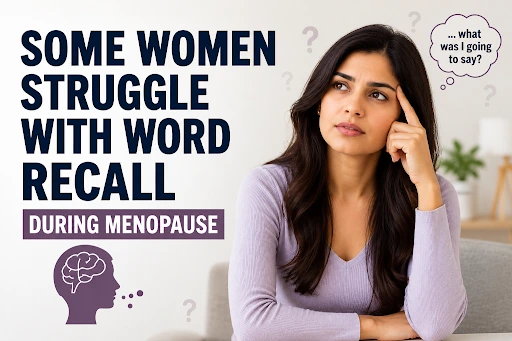
Some women temporarily struggle recalling names, words, or conversations during menopause transition. Sleep disturbance, stress, and hormonal fluctuation may contribute to these brief cognitive changes.
Common Cognitive Symptoms
- Forgetting familiar names
- Pausing mid-sentence
- Delayed word recall
- Temporary mental blanks
- Losing track while speaking
Persistent or worsening cognitive symptoms should receive medical evaluation.
Emotional Changes Can Become More Noticeable
Hormonal fluctuation may influence emotional regulation and stress tolerance during menopause transition.
Emotional Symptoms
- Irritability
- Anxiety
- Mood swings
- Emotional sensitivity
- Mental fatigue
- Low stress tolerance
These symptoms may overlap with anxiety disorders, thyroid imbalance, burnout, and sleep deprivation.
Hot Flashes And Night Sweats Are Common Menopause Symptoms
Hormonal fluctuation may affect the body’s temperature-regulation system, causing sudden heat sensation and sweating.
Common Symptoms
- Sudden body heat
- Facial flushing
- Sweating
- Nighttime overheating
- Heat intolerance
Common Triggers
- Caffeine
- Spicy food
- Alcohol
- Emotional stress
- Poor sleep
Body Changes During Perimenopause May Affect Confidence
Declining estrogen levels may gradually affect metabolism, muscle tone, collagen production, and body-fat distribution.
Physical Changes Some Women Notice
- Abdominal weight gain
- Bloating
- Dry skin
- Hair thinning
- Slower recovery
- Reduced muscle tone
Lifestyle changes alone may not fully improve symptoms when a hormonal imbalance remains unaddressed.
Can Menopause Cause Joint Stiffness And Reduced Mobility?
Yes. Hormonal fluctuation may contribute to stiffness, reduced flexibility, and slower physical recovery.
Symptoms Some Women Experience
- Morning stiffness
- Joint tightness
- Discomfort while bending
- Reduced flexibility
- Slower movement recovery
Supportive Habits
- Stretching
- Low-impact exercise
- Hydration
- Posture correction
- Strength training
Why Does Abdominal Fullness Increase During Perimenopause?
Hormonal fluctuation may influence digestion, fluid balance, and metabolism during perimenopause.
Common Changes
- Abdominal heaviness
- Bloating
- Waistline fluctuation
- Post-meal discomfort
- Evening fullness
Factors That May Worsen Symptoms
- Processed food
- Dehydration
- Irregular meals
- Prolonged sitting
Vaginal And Urinary Symptoms Should Not Be Ignored
Reduced estrogen levels may affect vaginal and urinary tissue health.
Symptoms That May Develop
- Vaginal dryness
- Discomfort during intercourse
- Urinary urgency
- Recurrent urinary infections
- Mild bladder leakage
Early evaluation often improves long-term comfort and quality of life.
Can Menopause Influence Relationship Confidence?

Yes. Emotional exhaustion, sleep disruption, and body-image changes may affect confidence and communication during menopause transition.
Changes Some Women Experience
- Emotional withdrawal
- Lower self-confidence
- Communication frustration
- Reduced social comfort
- Relationship insecurity
Open communication, emotional support, and structured menopause care may help.
Menopause Symptoms Can Overlap With Other Medical Conditions
Several medical conditions may produce symptoms similar to menopause.
| Medical Condition | Shared Symptoms |
| Thyroid dysfunction | Fatigue, irregular periods |
| Anemia | Weakness, exhaustion |
| Anxiety disorders | Sleep disturbance, irritability |
| Vitamin deficiencies | Low energy, brain fog |
Tests Often Recommended
- Hormonal evaluation
- Thyroid testing
- Pelvic ultrasound
- Blood investigations
When Should Women Consult A Gynaecologist?
Medical evaluation becomes important when symptoms begin affecting sleep, emotional well-being, physical comfort, work performance, or daily routine.
Symptoms Requiring Prompt Evaluation
- Unusual heavy bleeding
- Bleeding after intercourse
- Severe night sweats
- Sudden menopause before age 40
- Persistent exhaustion
- Recurring urinary infections
Women experiencing persistent hormonal symptoms may consult Dr Pallab Roy, a gynaecologist in Kolkata, for a structured menopause assessment and women’s health support.
Why Is Bone Density Loss Called A Silent Menopause Risk?

Bone density loss during menopause usually develops gradually without obvious early symptoms. Many women remain unaware until fractures, posture changes, or movement difficulty appear later.
Declining estrogen levels may reduce bone strength over time, increasing long-term fracture risk if preventive care is delayed.
Long-Term Bone Health Risks
- Increased fracture risk
- Reduced bone strength
- Posture-related changes
- Mobility limitations
- Slower injury recovery
- Fall-related complications
Women Who May Need Earlier Screening
- Women with early menopause
- Smokers
- Low body-weight individuals
- Women with osteoporosis family history
- Physically inactive women
- Women with nutritional deficiencies
Modern Menopause Care Focuses On Long-Term Health
Modern menopause management is highly individualised because symptom severity, hormonal behaviour, lifestyle factors, sleep quality, medical history, and emotional health differ between individuals.
Not every woman requires hormone replacement therapy. Many improve through structured lifestyle-focused care, symptom monitoring, sleep optimisation, nutritional support, and personalised medical guidance.
Treatment Approaches May Include
- Nutritional guidance
- Exercise planning
- Sleep optimisation
- Stress management
- Bone-health support
- Non-hormonal treatment
- Hormone therapy when appropriate
- Metabolic health monitoring
Women seeking long-term hormonal support and preventive women’s healthcare may consult Dr Pallab Roy, a gynaecologist in Kolkata, for personalised menopause evaluation and symptom-focused management.
Signs Women Should Not Ignore During Perimenopause
| Symptom Pattern | Why Medical Evaluation Matters |
| Bleeding between periods | May require evaluation for uterine or hormonal conditions |
| Sudden worsening fatigue | Could overlap with thyroid disorders, anemia, or metabolic issues |
| Severe sleep disruption | May gradually affect emotional health and daily functioning |
| Frequent urinary discomfort | Persistent symptoms should not be ignored as normal aging |
| Rapid cycle changes before age 40 | Early menopause sometimes requires hormonal evaluation |
| Persistent pelvic discomfort | Requires proper gynecological assessment |
Why Early Evaluation Matters
Timely menopause assessment may help identify overlapping health conditions before symptoms begin affecting long-term wellbeing, sleep quality, bone health, and emotional stability.
Hormonal Changes That Women Commonly Misinterpret
| Commonly Misunderstood Change | Frequently Mistaken For |
| Reduced stress tolerance | Personality change or burnout |
| Brain fog | Lack of focus or overwork |
| Midday exhaustion | Poor fitness or low motivation |
| Reduced recovery after activity | Aging alone |
| Increased heat sensitivity | Weather intolerance |
| Emotional overwhelm | Anxiety alone |
Why Symptom Awareness Is Important
Many women ignore early menopause symptoms because the changes often feel gradual, inconsistent, or easy to mistake for stress, aging, or exhaustion. Over time, untreated hormonal changes may begin affecting sleep, emotional health, metabolism, confidence, relationships, and overall quality of life.
Final Takeaway
- Early menopause symptoms often begin gradually and may be mistaken for stress or aging
- Sleep changes, irregular periods, fatigue, and emotional shifts should not be ignored
- Hormonal symptoms can overlap with other medical conditions
- Early evaluation may help improve long-term health, comfort, and quality of life
- Personalised menopause care can support better symptom control and overall well-being
Women experiencing persistent hormonal changes may consult Dr Pallab Roy, a gynaecologist in Kolkata, for personalised menopause care focused on long-term hormonal health and symptom relief.
Call 88201 33550 today and schedule an appointment.
People Also Ask
Can menopause symptoms appear even when periods are still regular?
Yes. Some women begin noticing sleep disturbance, emotional sensitivity, fatigue, or hot flashes before major menstrual irregularity develops.
Does perimenopause always begin after age 45?
No. Hormonal changes may begin earlier in some women depending on genetics, ovarian function, smoking history, medical conditions, or surgical history.
Can dehydration worsen menopause symptoms?
Yes. Poor hydration may contribute to headaches, fatigue, bloating, overheating, and reduced physical recovery during menopause transition.
Why do some women feel suddenly more sensitive to stress during menopause?
Hormonal fluctuation may influence emotional regulation, sleep quality, nervous-system response, and stress tolerance simultaneously.
Can menopause affect exercise recovery?
Some women notice slower muscle recovery, increased stiffness, and reduced physical stamina during hormonal transition.
Is bloating during perimenopause always related to weight gain?
No. Hormonal fluctuation may temporarily affect digestion, fluid balance, and abdominal fullness even without significant fat gain.
Can menopause symptoms fluctuate from month to month?
Yes. Hormonal behaviour during perimenopause is often inconsistent, causing symptoms to vary in frequency and intensity over time.