
Our Blogs
How Age Affects Female Fertility? Says Top Gynecologist
Nowadays, more and more females prefer to have children in their mid-30s and early 40s. But as women age, their fertility gradually declines due to a decrease in the quantity and...
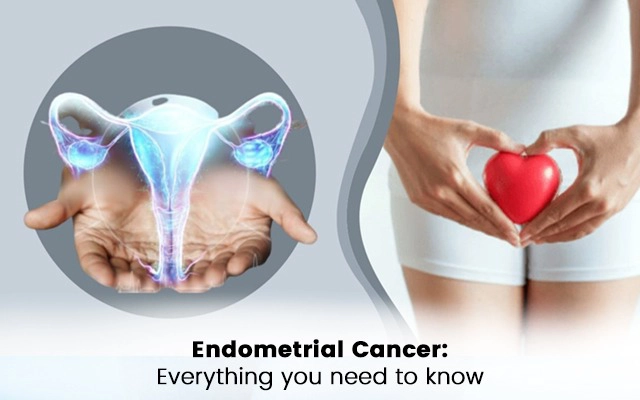
Endometrial Cancer: Everything you need to know
Endometrial cancer is a type of cancer in which abnormal cells start growing in the lining of the uterus, known as the endometrium. It is sometimes known as “uterine cancer.”...
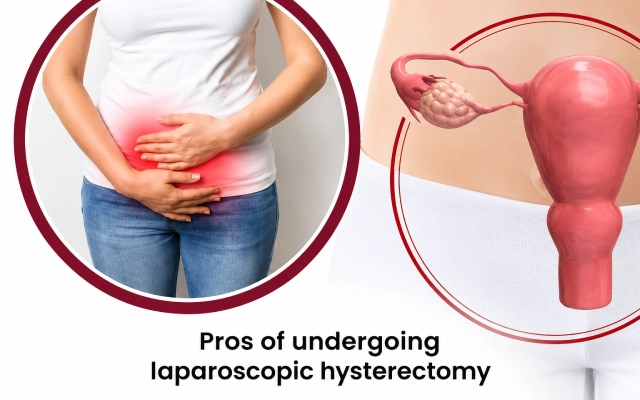
Pros of Undergoing Laparoscopic Hysterectomy
A few years back, traditional hysterectomy was considered the primary option to treat gynecological conditions. But not anymore. Laparoscopic hysterectomy is now the most...
Ways to Identify High-Risk Pregnancy
A pregnancy is considered high risk if it poses complications for both the mother and the baby. It is seen that some women become high-risk as soon as they conceive, whereas some...
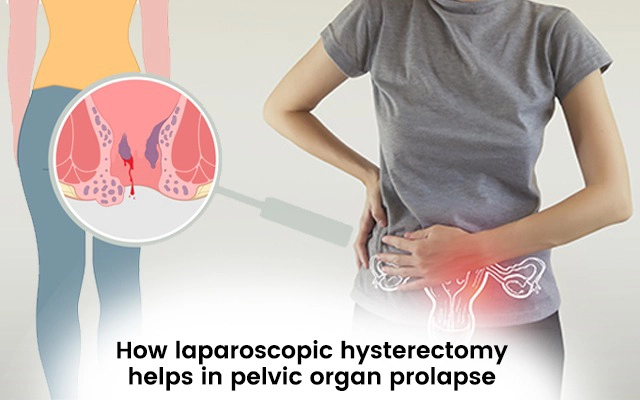
How Laparoscopic Hysterectomy Helps in Pelvic Organ Prolapse
Pelvic organ prolapse (POP) is a common condition among women, characterized by the descent of pelvic organs, such as the uterus, bladder, or rectum, due to weakened pelvic floor...
Gestational Diabetes and High-Risk Pregnancy: What You Need to Know
Gestational Diabetes: Risks & Management The journey of pregnancy is a remarkable and joyous time in a woman's life. However, it can also bring unexpected challenges, such as...