
Infertility Treatment in Kolkata
Consult Dr Pallab Roy for a comprehensive assessment and the most suitable treatment plan.
★ 5.0 Google Rating (1000+ Reviews)
2,000+ Surgeries Performed
10+ Years of Experience
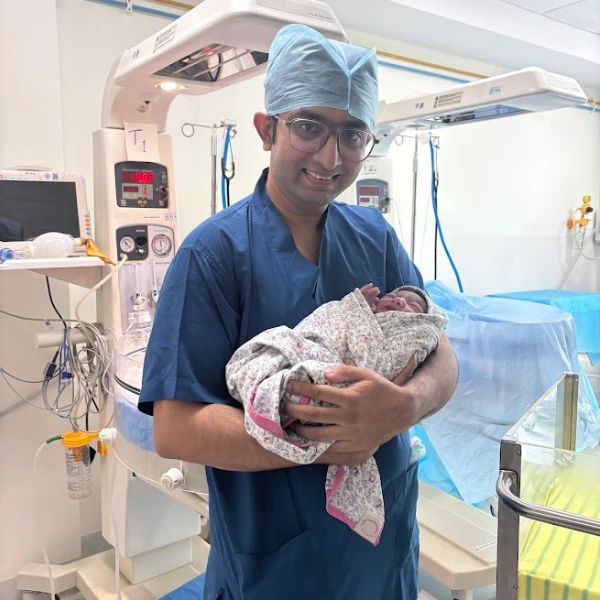
Infertility treatment helps identify the underlying cause when pregnancy does not occur despite regular unprotected intercourse. Personalised evaluation and evidence-based treatments can improve the chances of conception while addressing individual reproductive concerns.
Infertility Treatment at a Glance
| Parameter | Details |
|---|---|
| Duration | Depends on the recommended treatment plan and individual response. |
| Anaesthesia Type | Usually not required; may be needed for selected procedures. |
| Hospital Stay | Most treatments are performed on an outpatient basis. |
| Recovery Time | Most patients resume normal activities on the same day or within 24 hours, depending on the procedure. |
| Stitches / Scars | Usually none; minimally invasive procedures may involve very small incisions. |
| Insurance / Cashless Facility | Available at selected network hospitals, subject to policy approval. |
Patient Experiences

Abira Biswas
He's a good doctor, he always answers your call. He's like a god in the form of a doctor. He listened to my concerns and provided clear, reassuring explanations. One of the best gynecologists in Kolkata 🙂
Rishika Tewari
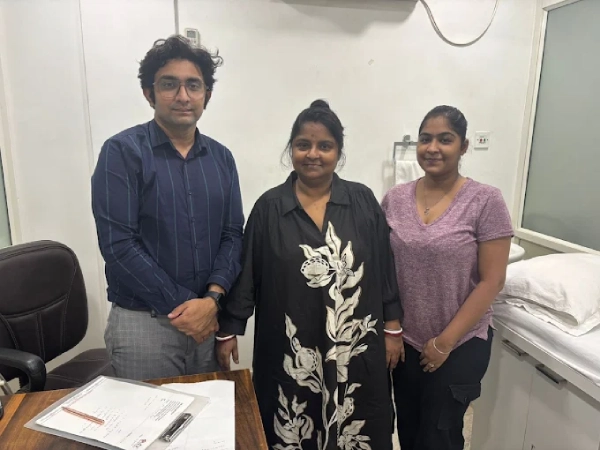
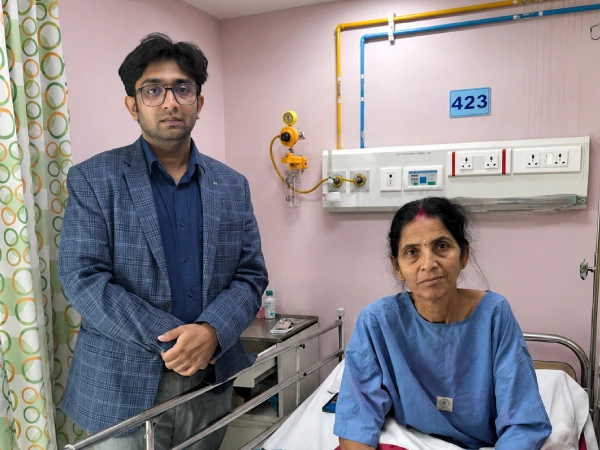
Dr. Pallab Roy performed my mother's total laparoscopic hysterectomy on 07/05/26. Great surgeon and the best doctor for laparoscopic hysterectomy.
Koyel Adhikary
Dr. Pallab Roy is very professional, caring, and attentive. The treatment was excellent, and the staff was friendly. Highly recommended.
Binita Baral
I had been struggling with a problem for a long time. After consulting Dr. Pallab Roy, I am completely healthy. Thank you, sir.







What Symptoms May Indicate the Need for Infertility Treatment?
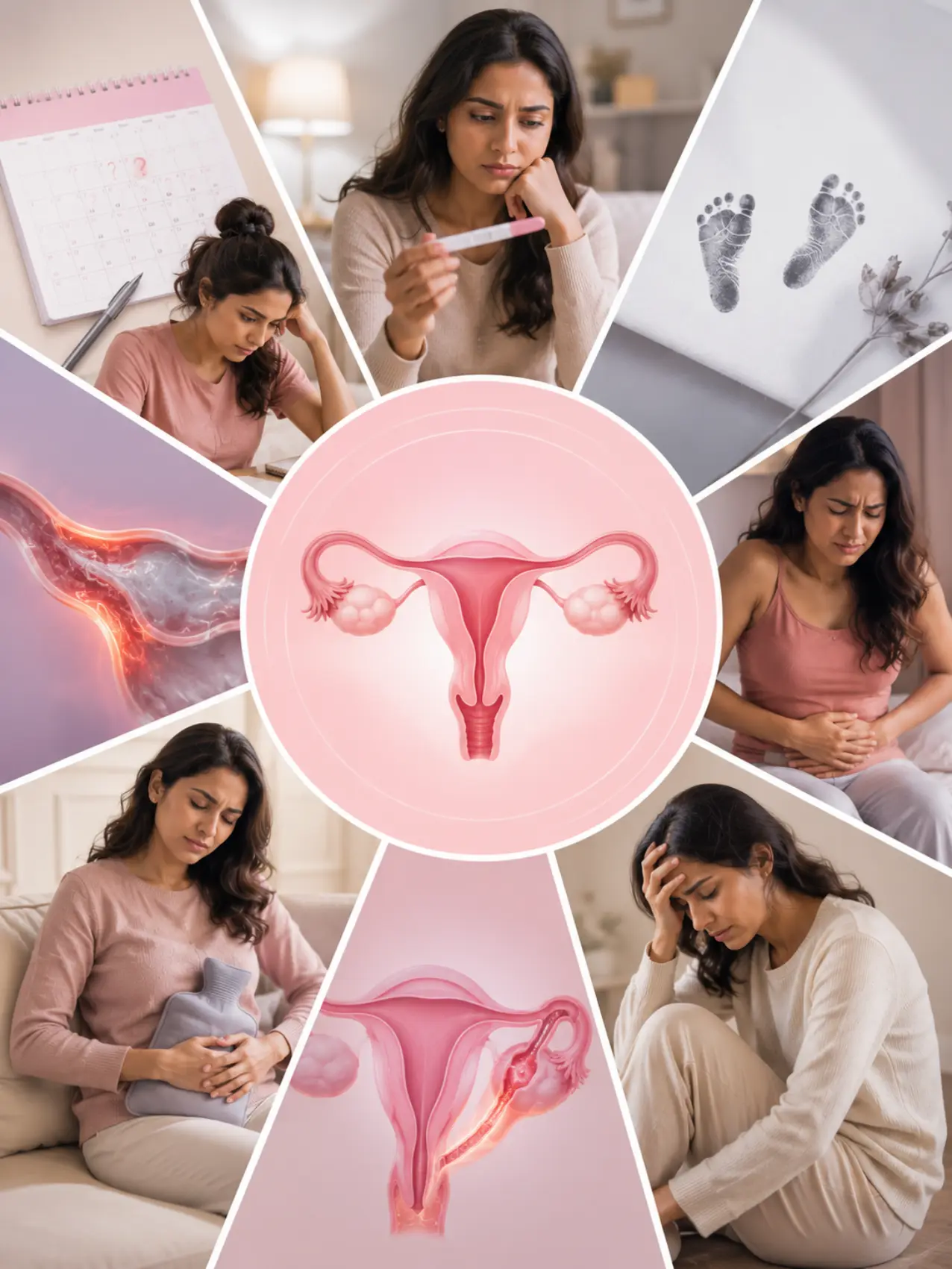
Infertility treatment may be recommended if you experience:
- Difficulty conceiving despite regular unprotected intercourse
- Irregular or absent menstrual cycles
- Recurrent pregnancy loss
- Chronic pelvic pain or endometriosis
- Symptoms of tubal blockage
- Painful menstrual cramps affecting daily life
- Suspected female or unexplained infertility
Why Choose Dr Pallab Roy As Your Infertility Expert?
- Thorough evaluation before recommending treatment
- Proven expertise as an infertility specialist
- Personalised treatment plans based on fertility goals
- Advanced evidence-based fertility management
- Complete care from diagnosis to pregnancy planning
Schedule Your Consultation Today
Speak to Dr Pallab Roy to find out whether observation, medicines, or surgery is the right treatment option for your condition.
What Are the Treatment Options for Infertility Treatment?
| Treatment Option | How It Is Performed | Suitable For |
|---|---|---|
| Ovulation Induction | Medicines are used to stimulate egg development and monitor ovulation. | Women with ovulation-related fertility problems. |
| IUI Treatment | Prepared sperm is placed inside the uterus during ovulation to improve the chance of fertilisation. | Selected couples with mild fertility issues or unexplained infertility. |
| IVF / ICSI | Eggs and sperm are fertilised in a laboratory before transferring the embryo into the uterus. | Couples with advanced fertility concerns or previous treatment failure. |
| Robotic/Laparoscopic Surgery | Minimally invasive surgery is performed to correct conditions affecting fertility, including selected cases requiring tubal recanalisation. | Women with structural reproductive problems or selected causes affecting conception. |
What Happens During Infertility Treatment?
Before the Procedure
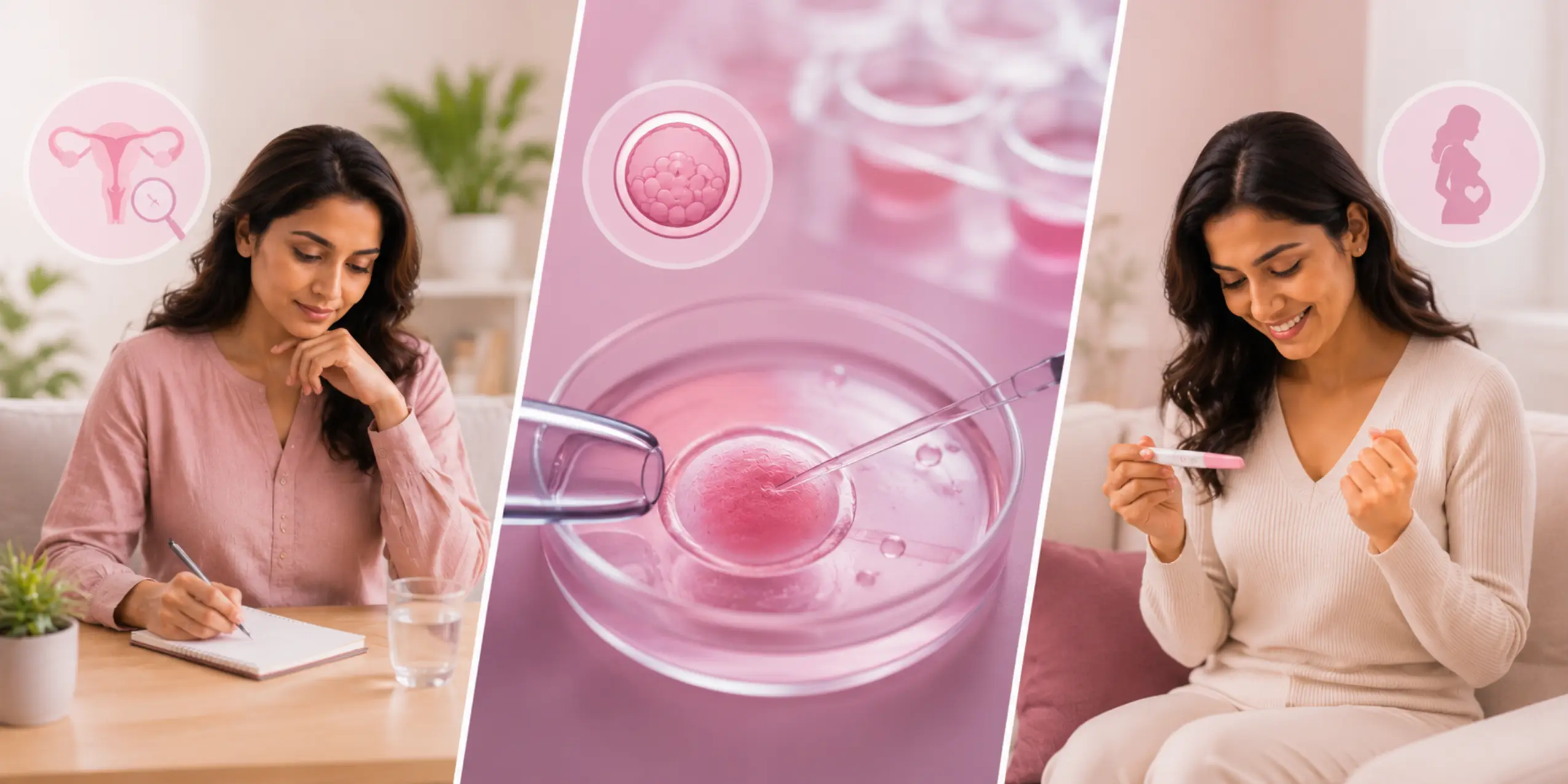
Your doctor will review your medical history, previous pregnancy attempts, lifestyle factors, and perform fertility workup tests. Depending on your condition, additional blood investigations, ultrasound scans, and other diagnostic assessments may be advised before planning treatment.
During the Procedure
Treatment is personalised according to the underlying diagnosis and may include ovulation induction, IUI treatment, IVF, ICSI, or surgical correction when appropriate. Throughout the treatment, regular monitoring helps optimise the chances of successful conception while ensuring patient safety.
After the Procedure
Follow-up appointments help assess your response to treatment and determine the next steps in your fertility journey. Your doctor will provide guidance on medications, lifestyle measures, and future treatment cycles, if required.
What Is the Recovery Timeline?
| Time After Treatment | What You Can Expect |
|---|---|
| Same Day | Most patients return home after treatment. IUI and embryo transfer usually require little or no recovery time. |
| First Few Days | Mild cramping, bloating, or discomfort may occur after egg retrieval and gradually improve. |
| 1-2 Weeks | Avoid strenuous exercise and sexual intercourse after egg retrieval until advised by your doctor. |
| Ongoing Treatment | Further treatment cycles or embryo transfer may be planned based on your fertility care plan. |
| Follow-up Visits | Regular reviews, scans, and blood tests help monitor progress and guide the next steps. |
Cost of Infertility Treatment
The overall cost may depend on factors such as:
- Type of fertility treatment recommended
- Male & female fertility workup required
- Medicines used during treatment
- Laboratory and embryology services, where applicable
- Complexity of the procedure
- Number of treatment cycles required
- Insurance or cashless approval, where applicable
What Are the Risks and Who Is Not a Suitable Candidate?
Like many medical treatments, infertility treatment may have certain risks.

Possible risks include:
- Side effects from fertility medications\
- Multiple pregnancy in selected treatments
- Ovarian hyperstimulation in susceptible patients
- Infection or bleeding after minimally invasive procedures
- Treatment cycle failure despite appropriate care
- Emotional and financial stress during prolonged treatment

You may not be a suitable candidate if you have:
- Untreated medical conditions severely affecting pregnancy.
- Severe health problems making pregnancy unsafe.
- Untreated reproductive cancers, preventing safe care.
- Unoptimised lifestyle factors requiring prior changes.
- Complex fertility concerns requiring specialised referral.
Frequently Asked Questions
Can stress alone prevent someone from becoming pregnant?
Stress alone is rarely the only reason for delayed pregnancy. However, long-term stress may affect reproductive hormones. A proper medical assessment helps identify whether other underlying factors need attention.
Does getting older always mean pregnancy is no longer possible?
Age can gradually reduce reproductive potential, but many women still conceive with timely medical care. Early evaluation helps identify suitable options and improves planning for future pregnancy.
Can irregular periods affect the chances of conception?
Yes. Irregular menstrual cycles may indicate hormone-related problems that can interfere with egg release. Identifying the reason early allows doctors to recommend appropriate management for better reproductive health.
Is infertility always caused by a woman's health problem?
No. Difficulty conceiving can involve either partner or both together. A complete reproductive assessment helps determine the contributing factors before planning the most appropriate course of care.
Should treatment stop after one unsuccessful cycle?
Not always. Some couples require more than one treatment cycle. Doctors review the previous response and modify the plan whenever needed to improve future chances of conception.
What should couples expect during the first fertility consultation?
The first visit usually includes discussion of medical history, menstrual pattern, previous pregnancies, lifestyle habits, and recommended investigations to understand reproductive health before planning further management.
Which tests may be advised before planning fertility care?
Doctors may recommend blood tests, pelvic ultrasound, hormone evaluation, semen analysis, or additional investigations depending on the couple's medical history and suspected reproductive concerns.
Can lifestyle changes improve the chances of conception?
Maintaining a healthy weight, eating a balanced diet, avoiding tobacco, limiting alcohol, and managing stress may support reproductive health alongside the recommended medical treatment.
How often are follow-up visits needed during fertility care?
The frequency depends on the treatment plan. Regular follow-up appointments allow doctors to monitor progress, review test results, adjust medicines, and decide the next appropriate step.
When should someone seek medical advice for difficulty conceiving?
Medical evaluation is generally recommended if pregnancy has not occurred after regular unprotected intercourse for the expected duration, or earlier when menstrual or reproductive concerns are present.