
Gynaecological Cancer Treatment in Kolkata
Consult Dr Pallab Roy, an experienced gynae oncologist, for personalised assessment and treatment planning.
★ 5.0 Google Rating (1000+ Reviews)
2,000+ Surgeries Performed
10+ Years of Experience
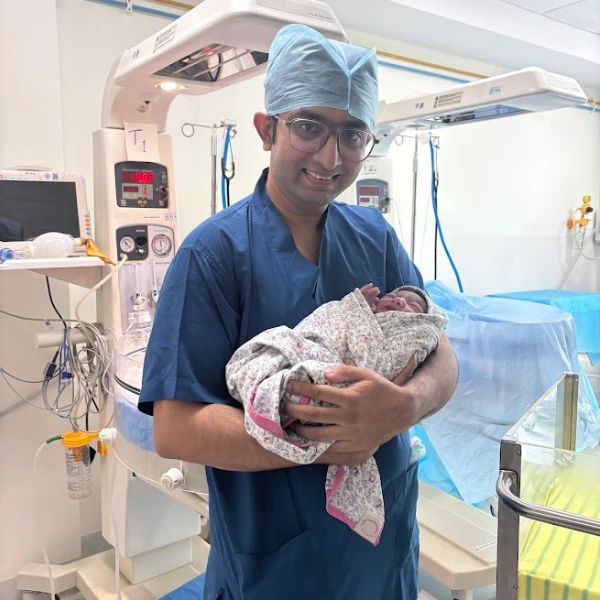
Gynaecological cancer treatment involves the diagnosis and management of cancers affecting the female reproductive organs, including cervical cancer, ovarian cancer, and endometrial cancer. Early detection through cervical cancer screening, timely evaluation, and appropriate surgery improve treatment outcomes.
Gynaecological Cancer Treatment at a Glance
| Parameter | Details |
|---|---|
| Procedure Duration | Usually 2-5 hours, depending on the procedure. |
| Anaesthesia Type | General anaesthesia for most cancer surgeries. |
| Hospital Stay | Usually 2-5 days, depending on recovery. |
| Recovery Time | Most patients resume routine activities within 2-6 weeks. |
| Stitches / Scars | Small incisions with minimally invasive surgery, where suitable. |
| Insurance / Cashless Facility | Available at selected hospitals, subject to approval. |
Patient Experiences

Abira Biswas
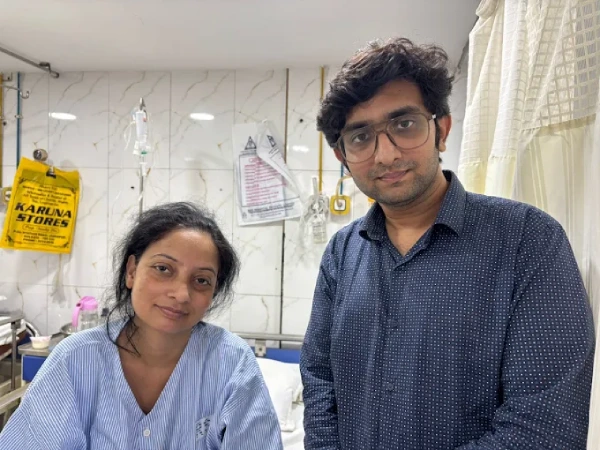
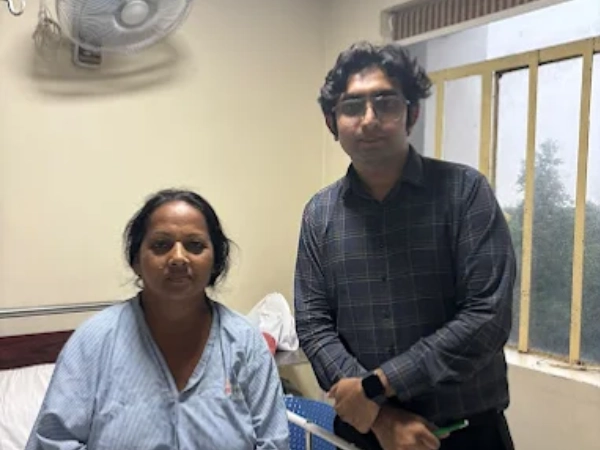
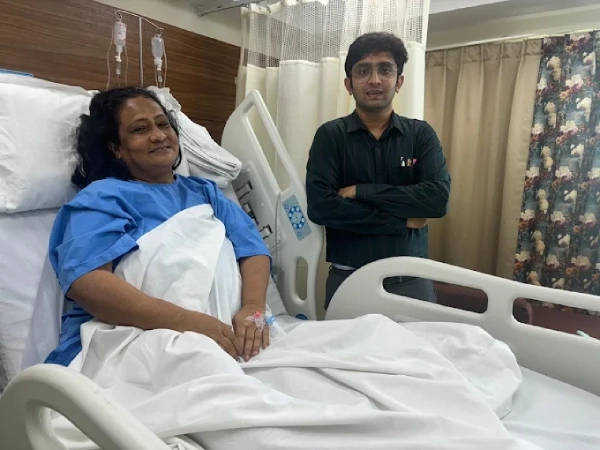
He's a good doctor, he always answers your call. He's like a god in the form of a doctor. He listened to my concerns and provided clear, reassuring explanations. One of the best gynecologists in Kolkata 🙂
Rishika Tewari
Dr. Pallab Roy performed my mother's total laparoscopic hysterectomy on 07/05/26. Great surgeon and the best doctor for laparoscopic hysterectomy.
Koyel Adhikary
Dr. Pallab Roy is very professional, caring, and attentive. The treatment was excellent, and the staff was friendly. Highly recommended.
Binita Baral
I had been struggling with a problem for a long time. After consulting Dr. Pallab Roy, I am completely healthy. Thank you, sir.







What Symptoms May Indicate the Need for Gynaecological Cancer Treatment?
Treatment may be recommended after clinical evaluation if you have:
- Persistent abnormal vaginal bleeding
- Bleeding after menopause
- Pelvic or lower abdominal pain
- Abdominal bloating or swelling
- Difficulty eating or feeling full quickly
- Unexplained weight loss or persistent fatigue
- Noticeable signs of cervical or ovarian cancer

Why Choose Dr Pallab Roy As Your Gynae Oncologist?
- Ample experienced in handling complex cases
- Individualised evaluation before treatment planning
- Expertise in minimally invasive cancer surgery
- Evidence-based surgical treatment approach
- Comprehensive care from diagnosis to recovery
Schedule Your Consultation Today
Speak to Dr Pallab Roy to find out whether observation, medicines, or surgery is the right treatment option for your condition.
What Are the Treatment Options for Gynaecological Cancer?
The recommended treatment depends on the type of cancer, stage, overall health, and investigation findings.
| Treatment Option | How It Is Performed | Suitable For |
|---|---|---|
| Cancer Surgery | May involve radical hysterectomy, hysterectomy, salpingo-oophorectomy, or cytoreductive (debulking) surgery. Laparoscopy or robotic surgery may be used when appropriate. | Women who require surgical treatment based on the cancer type and stage. |
| Chemotherapy | Uses anti-cancer medicines to destroy remaining cancer cells after surgery or shrink tumours before surgery. Advanced ovarian cancer may require intraperitoneal (IP) chemotherapy or HIPEC. | Women requiring systemic treatment before or after surgery, particularly for advanced ovarian cancer. |
| Radiation Therapy | Uses external beam radiation therapy or brachytherapy to destroy cancer cells by delivering targeted high-energy radiation. | Women whose treatment plan includes radiation based on the type, location, and stage of gynaecological cancer. |
| Targeted Therapy & Immunotherapy | Uses medicines that target specific proteins, genetic mutations, or immune pathways. Examples include PARP inhibitors and checkpoint inhibitors. | Selected women with cancers meeting specific molecular or genetic criteria, including certain ovarian, cervical, or endometrial cancers. |
| Hormone Therapy | Uses medicines or surgery to block or reduce hormones that promote the growth of hormone-sensitive cancers. | Women with hormone-sensitive endometrial (uterine) cancers and other selected cases based on clinical evaluation. |
What Happens During Gynaecological Cancer Treatment?
Before the Procedure
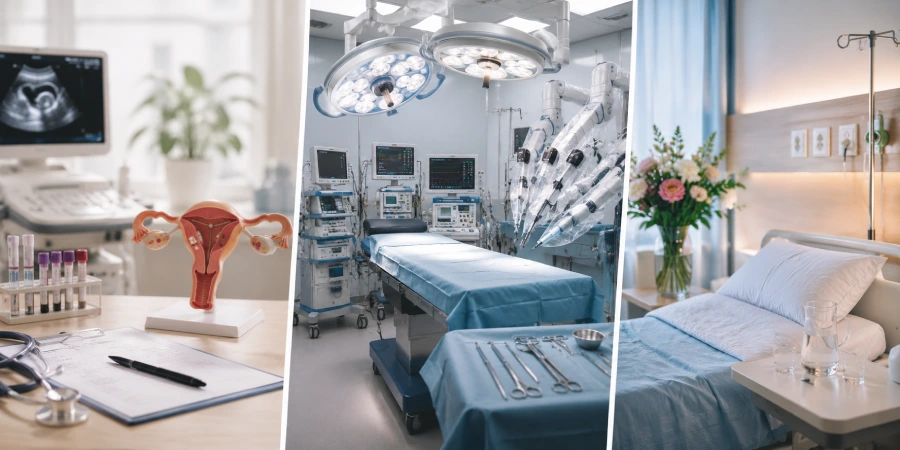
Your doctor will review your medical history, symptoms, and examination findings before planning treatment. Investigations may include a Pap smear, HPV testing, Ultrasound, Biopsy, blood tests, imaging, and a pre-anaesthetic assessment where surgery is recommended. Your HPV vaccination history will also be reviewed as part of the overall evaluation.
During the Procedure
Treatment depends on the confirmed diagnosis and cancer stage. Surgery is performed under general anaesthesia using the most appropriate technique. The extent of surgery is determined by clinical findings while aiming for complete tumour removal whenever safely possible.
After the Procedure
Patients are monitored in the recovery area before returning to their hospital room. Most are discharged within a few days, depending on the procedure and recovery. Follow-up visits help assess healing, review pathology reports, and plan any additional treatment if required.
What Is the Recovery Timeline?
Recovery varies depending on the procedure performed and the patient's overall health.
| Recovery Phase | What You Can Expect |
|---|---|
| Hospital Stay (3-7 Days) | Hospital stay is typically 3 to 7 days after major pelvic surgery, depending on the procedure and recovery progress. |
| Weeks 1-4 | Rest is essential. Short walks help prevent blood clots, while lifting over 5 lbs and driving should be avoided. |
| Weeks 6-12 | Most women are medically cleared to gradually resume work, driving, sexual activity, and normal daily activities. |
| Adjuvant Therapy | When required, chemotherapy usually starts 1-4 weeks after surgery, while radiation therapy is delivered over several weeks. |
| Long-Term Follow-up | Regular surveillance includes physical examinations every 3-4 months for the first 2 years. Women undergoing oophorectomy may also need long-term menopause management. |
Cost of Gynaecological Cancer Treatment
The overall cost may depend on factors such as:
- Type of surgery recommended
- Cancer type and stage
- Hospital and operating theatre charges
- Diagnostic investigations before treatment
- Anaesthesia and surgical consumables
- Duration of hospital stay
- Insurance or cashless approval, where applicable
What Are the Risks and Who Is Not a Suitable Candidate?
Like all major cancer surgeries, gynaecological cancer treatment carries some risks.

Possible risks include:
- Surgical site infection or delayed healing
- Bladder or bowel injury, or radiation-related urgency
- Blood clots in the pelvic veins
- Surgical menopause after ovary removal
- Chronic pelvic lymphoedema with leg swelling
- Vaginal stenosis causing painful intercourse
- Peripheral neuropathy from chemotherapy

You may not be a suitable candidate if you have:
- Severe cardiovascular disease or a recent stroke
- Advanced kidney or liver disease
- Active systemic infection
- Uncontrolled bleeding disorders
- Poor performance status for safe anaesthesia
Frequently Asked Questions
Can every abnormal growth in the female reproductive organs be cancer?
No. Many growths are non-cancerous, including cysts and fibroids. A thorough medical evaluation is necessary to identify the cause and determine whether treatment or observation is appropriate.
Can treatment affect future pregnancy?
Yes. Some treatments may reduce or permanently affect fertility. Women wishing to have children should discuss fertility preservation options with their doctor before treatment begins.
Does treatment always cause early menopause?
No. Early menopause occurs only when treatment affects ovarian function. The likelihood depends on the patient's age, the treatment received, and whether the ovaries are preserved.
Can patients seek a second opinion before starting treatment?
Yes. Seeking a second opinion is common and may help patients better understand their diagnosis, treatment choices, expected outcomes, and available care options before making decisions.
Can emotional wellbeing influence recovery?
Yes. Anxiety, stress, and emotional distress are common during cancer treatment. Counselling, family support, and appropriate mental health care can improve overall wellbeing throughout recovery.
What documents should patients bring to the first consultation?
Previous medical records, laboratory reports, imaging results, medication lists, discharge summaries, and details of earlier treatments help the doctor understand the condition and plan appropriate care.
Can other medical conditions affect treatment planning?
Yes. Conditions such as diabetes, heart disease, kidney disease, or lung disorders may influence treatment planning and require optimisation before treatment begins.
Should patients inform the doctor about all medicines they take?
Yes. Prescription medicines, over-the-counter drugs, herbal products, and supplements should be shared because some may interact with treatment or affect surgical safety.
When can normal physical activity be resumed?
Recovery varies for every patient. Light activity is usually encouraged first, while more strenuous exercise should only be resumed after medical clearance based on individual recovery.
Why is long-term follow-up important after treatment?
Long-term follow-up helps monitor overall health, identify delayed treatment effects, provide supportive care, and detect recurrence or new concerns that require timely medical attention.