
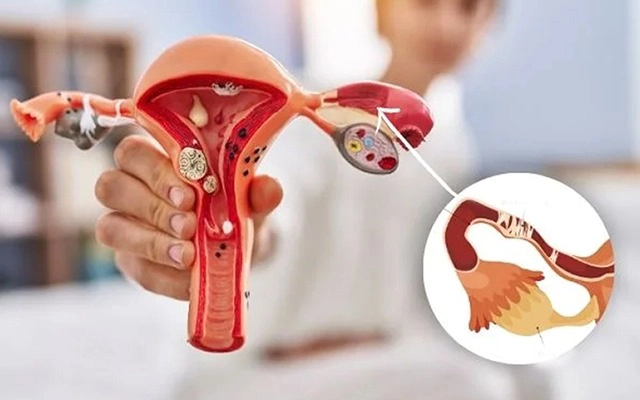
Fallopian tube blockage is a common cause of female infertility, preventing the egg and sperm from meeting or stopping the fertilised embryo from reaching the uterus. As part of his approach to female infertility treatment, Dr Pallab Roy, in Kolkata, evaluates reproductive health to identify hidden fertility barriers and recommend the most appropriate treatment pathway.
Understanding how fallopian tubes support conception is the first step towards recognising the impact of tubal infertility.
Understanding Fallopian Tubes & Their Role in Pregnancy
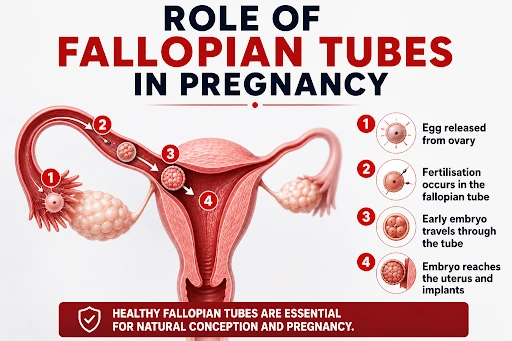
What Are Fallopian Tubes?
Fallopian tubes are two delicate tubes that connect the ovaries to the uterus and form an essential part of the female reproductive anatomy.
Function of Fallopian Tubes & Their Role in Pregnancy
- Receiving the egg: The primary function is to receive the egg after ovulation, initiating the pregnancy process.
- Sperm travel: Allowing sperm to travel towards the egg so natural conception can occur.
- Site of fertilisation: Serving as the exact site where fertilisation occurs when the sperm meets the egg inside the fallopian tube.
- Embryo transport: Transporting the fertilised embryo through the tube so it can implant in the uterus.
- Successful pregnancy: Due to this vital role, healthy fallopian tubes are essential for natural conception and a successful pregnancy.
How Blocked Fallopian Tubes Can Affect Fertility
Blockage of the reproductive pathway interferes with the normal reproductive process in several ways.
One Blocked Tube
When only one tube is blocked, pregnancy may still occur if the other tube remains healthy and functional. However, fertility potential may be reduced.
Both Tubes Blocked
When both tubes are blocked, natural conception becomes extremely difficult because:
- The egg and sperm cannot meet
- Fertilisation cannot occur
- The fertilised egg cannot reach the uterus
This condition is known as fertility impairment caused by blocked tubes or tubal factor infertility
Why Blocked Tubes Prevent Pregnancy
Blocked tubes may result in:
- Fertilisation failure
- Embryo transport failure
- Reduced fertility potential
- Impaired natural conception
This is why identifying the cause of infertility early is important when pregnancy is not occurring despite regular attempts.
Why Do Fallopian Tubes Become Blocked?

Several medical conditions can cause fallopian tube blockage or damage.
Pelvic Inflammatory Disease (PID)
Pelvic inflammatory disease is one of the leading causes of fallopian tube blockage.
PID may develop following untreated reproductive tract infections and can lead to:
- Chronic pelvic infection
- Inflammation
- Scar tissue formation
- Reproductive tract damage
Sexually Transmitted Infections (STIs)
Certain sexually transmitted infections, particularly:
- Chlamydia
- Gonorrhoea
Can silently damage the fallopian tubes and contribute to STI-related infertility.
Endometriosis
Endometriosis occurs when tissue similar to the uterine lining grows outside the uterus.
This can cause:
- Pelvic inflammation
- Endometriosis scar tissue
- Distortion of reproductive anatomy
- Fallopian tube damage
Endometriosis infertility is a well-recognised cause of female infertility.
Hydrosalpinx
Hydrosalpinx refers to a fluid-filled fallopian tube.
The accumulated fluid may:
- Block the tube
- Prevent embryo implantation
- Reduce IVF success rates
Hydrosalpinx infertility often requires specialised treatment.
Previous Pelvic or Abdominal Surgery
Scar tissue from previous procedures can affect tubal function, including:
- Pelvic surgery
- Abdominal surgery
- Fibroid surgery
- Ovarian cyst surgery
- C-section scar tissue
Postoperative adhesions may cause fallopian tube blockage.
Ectopic Pregnancy
A previous ectopic pregnancy can damage the affected tube and increase future fertility challenges.
Tubal damage after an ectopic pregnancy may lead to partial or complete blockage.
Pelvic Tuberculosis
In India, genital tuberculosis remains an important cause of infertility.
Pelvic tuberculosis can cause:
- Severe scarring
- Tubal destruction
- Infertility due to tuberculosis
Many women may not realise they have had genital tuberculosis until fertility investigations are performed.
Congenital Causes
Some women are born with congenital reproductive tract abnormalities or birth defects affecting the fallopian tubes, which may interfere with fertility.
Common Symptoms Associated With Blocked Fallopian Tubes
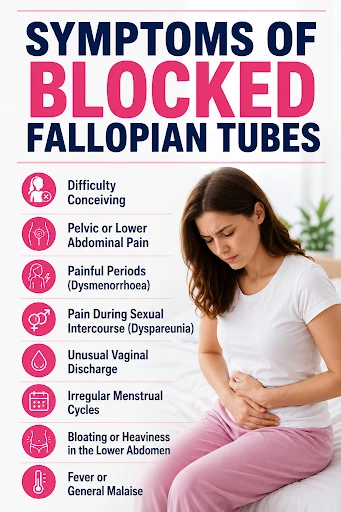
Fallopian tube blockage rarely causes noticeable symptoms, which is why the condition often goes undetected until conception becomes difficult. In some cases, however, certain signs may suggest that something is interfering with the tubes' normal function.
Difficulty Conceiving
One of the most common signs is difficulty conceiving, as the blockage prevents the egg and sperm from meeting. Many women only learn about the problem after repeated attempts to conceive naturally.
Pelvic or Lower Abdominal Pain
This may feel like a dull ache or sharp discomfort that occurs occasionally or persists over time. The pain often results from inflammation, infection, or scar tissue around the tubes.
Painful Periods (Dysmenorrhoea)
Heavier or more painful periods can indicate underlying conditions such as endometriosis or pelvic infections, both of which can contribute to tubal blockage.
Pain During Sexual Intercourse (Dyspareunia)
Some women experience deep pelvic pain during or after intercourse, often linked to scarring or tissue changes around the reproductive organs.
Unusual Vaginal Discharge
Discharge with an unpleasant smell or abnormal colour may suggest infection, which can lead to inflammation and scarring of the fallopian tubes if left untreated.
Irregular Menstrual Cycles
Infections or hormonal disturbances related to the underlying cause of blockage can sometimes disrupt the menstrual cycle.
Bloating or Heaviness in the Lower Abdomen
A feeling of pressure or fullness may occur, especially when fluid accumulates in the blocked tubes, a condition known as hydrosalpinx.
Fever or General Malaise
Fever and general malaise (a feeling of being unwell, tired, or out of sorts). In some cases, particularly when infection is present, symptoms such as fever, fatigue, and a general sense of illness may accompany pelvic discomfort.
When Should You Consult a Fertility Specialist?
Consider a fertility evaluation if you
- Have been trying to conceive for one year without success
- Are above 35 years of age and have been trying for six months
- Experience repeated unsuccessful attempts at conception
- Have a history of pelvic infection
- Previously had an ectopic (tubal) pregnancy
- Suspect or have been diagnosed with endometriosis
- Underwent pelvic or abdominal surgery in the past
- Are diagnosed with or being treated for pelvic tuberculosis
Early consultation can improve the chances of natural conception and help determine the most appropriate fertility treatment.
How Do Doctors Diagnose Blocked Fallopian Tubes?
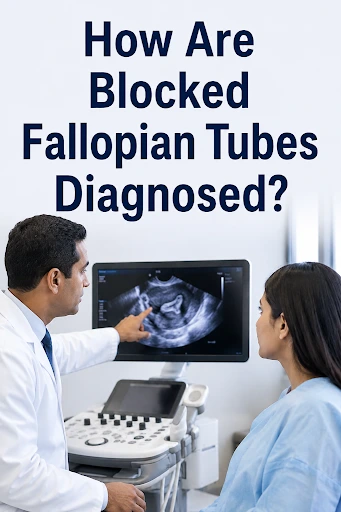
Tubal obstruction is usually diagnosed during fertility investigations using imaging tests and minimally invasive procedures.
Hysterosalpingography (HSG)
- X-ray dye test for fallopian tube blockage
- Checks whether the dye passes through the tubes
- Dye spill into the pelvis indicates open tubes
Sonohysterography (SSG)
- Saline and ultrasound-based tubal patency test
- Assesses the uterus and fallopian tubes
- No radiation exposure
Laparoscopy with Dye Test
- Direct visualisation of the fallopian tubes and pelvic organs
- Confirms blockage
- Can identify endometriosis, adhesions, and scar tissue
Hysteroscopy
- Examines the uterine cavity
- Detects polyps, fibroids, adhesions, and uterine abnormalities
- May identify fertility-related conditions
Blood Tests and Pelvic Ultrasound
- Detect hormonal imbalances and infections
- Assess the uterus, ovaries, and surrounding pelvic structures
- May identify hydrosalpinx, ovarian cysts, and endometriosis
Understanding Treatment Approaches for Blocked Fallopian Tubes

Treatment depends on the location and severity of the blockage, the condition of the tubes, and fertility goals.
Laparoscopic Surgery
- Removes scar tissue and pelvic adhesions
- Treats mild to moderate blockage
- May improve natural conception chances
Tubal Cannulation
- Used for blockages near the uterus
- A thin catheter is used to open the blocked tube
- Suitable for selected proximal obstructions
Hydrosalpinx Treatment
- Treats fluid-filled fallopian tubes
- Salpingostomy creates a new opening in the tube
- Salpingectomy removes a severely damaged tube
- Often recommended before IVF to improve success rates
In Vitro Fertilisation (IVF)
- Bypasses blocked fallopian tubes completely
- Eggs are fertilised in a laboratory
- Embryos are transferred directly into the uterus
- Commonly recommended when both tubes are blocked or irreparably damaged
Can You Get Pregnant with One Blocked Fallopian Tube?
Yes, but only if the other tube is healthy and functioning normally.
- One healthy fallopian tube may be enough for natural conception.
- The healthy tube can capture the egg and allow fertilisation to occur.
- Ovulation and overall reproductive health also influence fertility.
- Up to 85% of women of optimal reproductive age (around 22–28) with one healthy fallopian tube conceive within two 2 years of trying.
- Fertility assessment may be recommended if pregnancy does not occur as expected.
Can You Get Pregnant After Treatment for Blocked Fallopian Tubes?
Yes, you can absolutely get pregnant after treatment for blocked fallopian tubes.
Depending on the extent of the blockage and tubal damage, you can either achieve pregnancy naturally after surgical repair or bypass the tubes entirely using assisted reproductive technologies like In Vitro Fertilisation (IVF).
Pregnancy outcomes after blocked fallopian tube treatment depend on:
- Age and overall reproductive health
- Severity and location of the damage
- One blocked fallopian tube versus both tubes blocked
- Ovarian reserve and egg quality
- Presence of other female infertility factors
Early diagnosis and timely treatment of blocked fallopian tubes offer the best chance of achieving pregnancy and improving fertility outcomes.
Why Early Diagnosis Makes a Difference
Delayed diagnosis can result in:
- Progressive tubal damage
- Chronic pelvic pain
- Recurrent infection
- Implantation failure
- Ectopic pregnancy
Early fertility assessment helps:
- Identify the cause of infertility
- Select the most appropriate fertility treatment
- Improve chances of natural conception
- Prevent further reproductive damage
Evidence-based female infertility treatment is most effective when initiated before significant reproductive decline occurs.
Let’s Recap
- Fallopian tube blockage is a leading cause of female infertility and tubal factor infertility.
- Blocked tubes can prevent fertilisation, embryo transport, and natural conception.
- Common causes include pelvic inflammatory disease (PID), endometriosis, hydrosalpinx, pelvic tuberculosis, previous pelvic surgery, and sexually transmitted infections.
- Difficulty conceiving is often the first sign of tubal obstruction.
- Fertility investigations such as hysterosalpingography (HSG), sonohysterography (SSG), laparoscopy with dye test, hysteroscopy, blood tests, and pelvic ultrasound can help identify and diagnose blockages affecting conception.
- Treatments may include tubal cannulation, laparoscopic surgery, hydrosalpinx treatment, or IVF.
- Early fertility evaluation improves pregnancy outcomes and helps prevent further reproductive damage.
Don't let fertility problems delay parenthood! Call 088201 33550 and consult Dr Pallab Roy for expert female infertility treatment in Kolkata and a personalised path towards pregnancy.
People Also Ask
Can Fallopian Tube Blockage Be Permanent or Reversible?
Some blockages can be treated successfully, especially mild cases, while severe scarring or damage is often permanent and may require IVF.
How Soon Should Treatment Start After Diagnosing Blocked Fallopian Tubes?
Treatment should begin as early as possible after diagnosis to prevent worsening damage, reduce complications, and improve overall fertility outcomes.
Does Age Affect Fertility More Than Blocked Fallopian Tubes?
Yes. Female age significantly affects egg quality and pregnancy rates, often more than the presence of tubal blockage.
Can Infection Return After Treatment for Blocked Fallopian Tubes?
Yes. Recurrent pelvic infections or untreated underlying conditions can lead to repeated inflammation and possible reproductive tract damage again.
Can Pregnancy Happen Years After a Diagnosis of Blocked Fallopian Tubes?
Yes, pregnancy can happen years after a blocked fallopian tube diagnosis. However, the probability of it occurring naturally depends on the nature of the blockage, while modern fertility treatments make it highly possible.