

PCOD (Polycystic Ovary Disease) is not a one-day fix. It’s a slow, stubborn rhythm your body learns and unlearns over time. Typically, a PCOD treatment plan is tracked over 3–6 months by monitoring symptoms, hormones, weight, and lifestyle changes for lasting results.
From the first consultation to the 6-month mark, every step is intentional. Small improvements in periods, weight, or symptoms are not random wins; they are signals. Signals that your treatment is working, or needs to change.
What is PCOD?
PCOD (Polycystic Ovarian Disease) is a hormonal condition in which the ovaries produce immature or partially mature eggs, leading to hormonal imbalance and irregular ovulation. It may cause symptoms such as irregular periods, weight gain, acne, excess hair growth, and difficulty conceiving in some women.
If you’re starting PCOD treatment, think of it as a guided journey, not a quick cure. Your body needs consistency. Your hormones need time. And your doctor needs data across months, not days, to understand what’s truly changing.
Whether you’re starting your PCOD treatment in Kolkata, always trust Dr Pallab Roy for positive outcomes.
This blog breaks down exactly what an experienced gynaecologist watches over 3–6 months, so you know what to expect.
Why PCOD Treatment Needs Continuous Monitoring
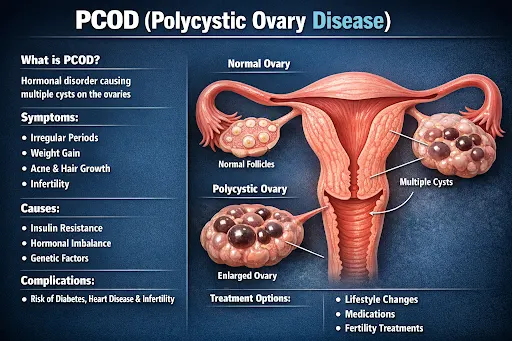
PCOD affects hormones, weight, and periods over time. Doctors track changes across months to adjust treatment and ensure long-term balance.
Understanding how PCOD affects hormones, metabolism, and menstrual cycles
PCOD (Polycystic Ovarian Disease) affects how your body handles hormones. This can lead to:
- Irregular periods
- Weight gain
- Acne or excess hair growth
It also affects metabolism, so your body may struggle to regulate insulin. This is why PCOD treatment is not just about periods. It’s about the whole system.
Why do doctors review progress over several months instead of a single visit
Your body doesn’t reset overnight. Hormones shift slowly. A doctor watches patterns across 3–6 months to:
- Check if cycles are becoming regular
- See if symptoms are improving
- Adjust treatment safely
One visit gives a snapshot. Months give the full story.
First Consultation: What Doctors Evaluate Before Starting a PCOD Treatment Plan

On the first visit, doctors focus on history, weight, and hormone reports to create a personalised PCOD treatment plan.
Medical history and menstrual cycle patterns
Doctors ask about:
- Cycle regularity
- Duration of bleeding
- Previous health issues
This helps identify how long PCOD has been affecting you.
Weight, BMI, and metabolic health indicators
Weight plays a key role in PCOD. Doctors check:
- BMI
- Waist measurement
- Signs of insulin resistance
Even small weight changes can affect hormones.
Hormonal tests and ultrasound findings
Basic evaluation includes:
- Blood tests
- Pelvic ultrasound
These are part of the standard tests for PCOD (hormone test + ultrasound) to confirm diagnosis and severity.
Month 1–2: Early Changes Doctors Look for After Starting Treatment
In the first two months, doctors focus on symptom relief and how your body responds to medicines and lifestyle changes.
Improvement in symptoms like acne, hair fall, and irregular periods
Early signs of progress:
- Reduced acne
- Slight cycle improvement
- Less hair fall
These changes may be small but important.
Monitoring weight changes and lifestyle adjustments
Doctors track:
- Diet adherence
- Physical activity
- Weight fluctuations
Even a 2–3 kg change matters.
Evaluating how medications or supplements are working
Your doctor checks:
- Side effects
- Tolerance
- Effectiveness
This is where your PCOD treatment journey begins.
Month 3–4: Tracking Hormonal Balance and Cycle Regularity
Around 3–4 months, doctors evaluate bigger hormonal changes and may modify your PCOD management plan.
Changes in menstrual cycle frequency
By now, cycles may:
- Become more predictable
- Reduce long gaps
This is a strong indicator of improvement.
Follow-up hormone tests and metabolic markers
Doctors may repeat blood tests to compare results.
| Parameter Checked | Why It Matters |
| Hormone levels | Shows balance improvement |
| Blood sugar | Detects insulin resistance |
| Thyroid | Rules out other causes |
This stage aligns with PCOD follow-up after 3 months.
Adjusting diet, exercise, or medication plans
Based on results:
- Diet plans may change
- Exercise intensity may increase
- Medicines may be reduced or modified
Month 5–6: Long-Term Progress in PCOD Management
By months 5–6, doctors assess long-term progress, including cycle regularity, ovulation, and metabolic health. This phase focuses on stabilising hormones and ensuring sustainable, lasting results.
Assessing ovulation patterns and fertility health
Doctors check if ovulation is happening regularly. This is important for women planning a pregnancy.
Monitoring insulin resistance and long-term metabolic risks
Unchecked PCOD can lead to:
- Diabetes
- High cholesterol
Doctors track these risks closely.
Stabilising weight and hormonal balance
By this stage, the goal is stability:
- Regular cycles
- Balanced hormones
- Sustainable weight
This reflects successful PCOD treatment, especially by Dr Pallab Roy in Kolkata.
Lifestyle Factors Doctors Monitor During PCOD Treatment
Lifestyle is the backbone of PCOD care. Daily habits like diet, exercise, sleep, and stress directly affect how PCOD behaves. Doctors closely monitor these to improve treatment outcomes and maintain long-term hormonal balance.
Diet patterns and blood sugar control
Following a PCOD diet plan for weight loss can help regulate insulin levels.
Key focus:
- Low sugar intake
- Balanced meals
- Regular eating times
Exercise habits and weight management
Doctors recommend:
- 30–45 minutes daily activity
- Mix of cardio and strength
Consistency matters more than intensity.
Sleep quality, stress levels, and hormonal health
Poor sleep and stress can worsen PCOD. Doctors often ask about:
- Sleep hours
- Stress triggers
Because hormones listen to your lifestyle.
Tests Commonly Repeated During PCOD Follow-Ups

Routine follow-up tests help doctors track hormone levels, blood sugar, and overall treatment progress. They ensure timely changes in your plan and reduce the risk of long-term PCOD complications.
Hormone tests and blood sugar levels
Repeated tests show:
- Progress
- Need for treatment changes
Lipid profile and metabolic health markers
| Test | Purpose |
| Lipid profile | Checks cholesterol levels |
| Fasting sugar | Detects early diabetes |
| HbA1c | Long-term sugar control |
Pelvic ultrasound for ovarian health
Ultrasound helps monitor:
- Ovarian size
- Follicle pattern
This supports long-term PCOD treatment plan success.
When Should You See a Doctor for PCOD Symptoms?
If you notice early signs such as irregular periods, weight gain, or unusual hair growth, see a doctor immediately for PCOD symptoms. Timely medical consultation helps diagnose PCOD early and prevents long-term complications.
Persistent irregular periods or excessive hair growth
Don’t ignore:
- Missed cycles
- Unusual hair growth
These are early warning signs.
Difficulty conceiving or unexplained weight gain
If you’re struggling with:
- Pregnancy
- Sudden weight gain
Consult Dr Pallab Roy, a PCOD doctor in Kolkata, early. Waiting only makes treatment harder.
Managing PCOD Effectively With Regular Medical Follow-Ups
Regular follow-ups help track progress, adjust treatment, and maintain hormone balance over time. Consistent care prevents complications and supports long-term control of PCOD symptoms.
Why consistent monitoring improves long-term hormonal health
Regular visits allow:
- Timely adjustments
- Better control of symptoms
- Reduced long-term risks
Importance of consulting an experienced local gynaecologist for PCOD treatment in Kolkata
Choosing Dr Pallab Roy as the best gynaecologist for PCOD treatment ensures:
- Accurate diagnosis
- Personalised care
- Safe treatment progression
Your body deserves expert guidance, not guesswork.
Let’s Recap
PCOD (Polycystic Ovary Disease) is a journey, not a quick fix. Over 3–6 months, doctors track symptoms, weight, hormones, and lifestyle to guide recovery. With regular follow-ups, the right treatment, and consistent habits, long-term balance is possible.
If you are considering PCOD treatment in Kolkata, Dr Pallab Roy offers personalised care with continuous monitoring, which can significantly improve outcomes.
People Also Ask
Can PCOD affect mood and emotional health?
Yes. Hormonal imbalance in PCOD may contribute to mood swings, anxiety, low motivation, and emotional stress in some women.
Is PCOD common in teenage girls?
Yes. PCOD often begins during teenage years and may first appear as irregular periods, acne, sudden weight gain, or excess facial hair.
Can women with PCOD have normal periods?
Sometimes. Some women with PCOD may still get monthly periods but continue to experience hormonal imbalance or ovulation-related issues.
Does PCOD always require lifelong medication?
No. Many women manage PCOD effectively with lifestyle changes, while others may need temporary or long-term medical support depending on symptoms.
Can skipping meals worsen PCOD symptoms?
Yes. Irregular eating habits may affect insulin levels and hormone balance, which can make PCOD symptoms harder to control.
Is PCOD only related to fertility problems?
No. PCOD can also affect metabolism, skin, weight, energy levels, and overall hormonal health, even in women not planning pregnancy.